





What's Happening?
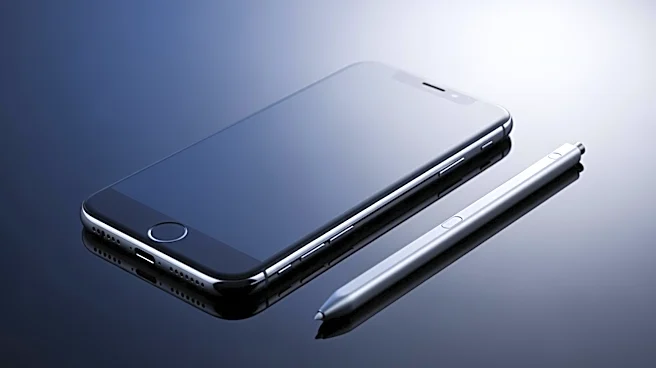
The article discusses the evolving perception of the stylus as a smartphone accessory, challenging the long-held view by Steve Jobs that 'if you see a stylus, they blew it.' Initially dismissed during the launch of the first iPhone in 2007, the stylus is now
being reconsidered for its potential benefits in enhancing smartphone functionality. The piece highlights how touchscreens have improved significantly since the late 2000s, making the stylus a useful tool rather than a necessity. The article argues that while touchscreens have become the norm, the precision and functionality offered by a stylus can address certain limitations of touch technology, such as signing documents or detailed editing tasks. Various devices, like the TCL Nxtpaper 70 Pro and the Galaxy S26 Ultra, are cited as examples where stylus use enhances user experience.
Why It's Important?
Reintroducing the stylus as a viable smartphone accessory could have significant implications for the tech industry. It suggests a shift in how manufacturers design and market their devices, potentially leading to new innovations in user interface design. For consumers, the stylus offers enhanced precision and functionality, particularly for tasks that require more accuracy than a finger can provide. This could benefit professionals who rely on mobile devices for detailed work, such as graphic designers or architects. The broader acceptance of the stylus could also influence the development of apps and software that leverage its capabilities, potentially leading to a new wave of productivity tools. However, the article cautions against over-reliance on the stylus, emphasizing that it should complement, not replace, existing touchscreen technology.
What's Next?
The potential resurgence of the stylus in the smartphone market could lead to increased competition among manufacturers to integrate stylus-friendly features into their devices. Companies may explore new designs that incorporate stylus storage and charging solutions, addressing current inconveniences associated with stylus use. Additionally, software developers might begin to create or update applications to take full advantage of stylus capabilities, enhancing user experience and productivity. As the market adapts, consumer feedback will likely play a crucial role in shaping the future of stylus integration in smartphones.
Beyond the Headlines
The reconsideration of the stylus also touches on broader themes of technology adoption and consumer behavior. It reflects a willingness to revisit past technologies and adapt them to modern needs, highlighting the cyclical nature of tech trends. This development could encourage a more nuanced approach to innovation, where the focus is on enhancing user experience rather than adhering strictly to past declarations. The stylus's potential comeback underscores the importance of flexibility and adaptability in the tech industry, as companies strive to meet diverse consumer needs.