



What's Happening?
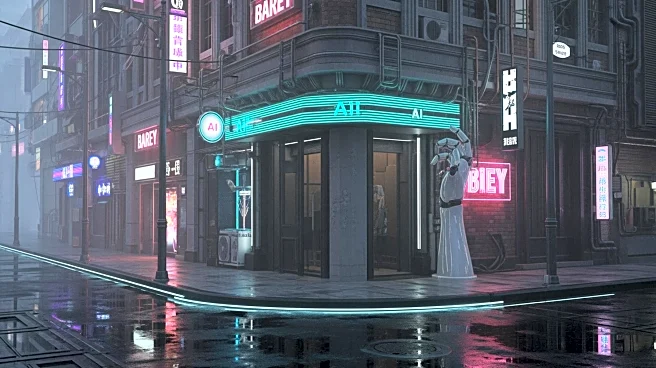
Capcom's upcoming game, Pragmata, includes a stage designed to resemble a New York City generated by artificial intelligence, although it is entirely crafted by human developers. In an interview with 4Gamer, translated by Automaton, director Cho Yonghee
and producer Naoto Oyama discussed the creative process behind this unique stage. The developers aimed to create a familiar yet distorted version of New York, incorporating elements like taxis sinking into floors and buses emerging from walls to evoke an AI-generated feel. This approach was intended to make the environment relatable yet distinctly artificial, challenging the developers to balance the uncanny with the familiar. The game is set for release on April 24, 2026, and has already seen over 2 million downloads of its demo.
Why It's Important?
The development of Pragmata's AI-like stage highlights the growing influence of artificial intelligence in the gaming industry, even when not directly used. By simulating AI-generated environments, Capcom is exploring new creative territories that challenge traditional game design. This approach could influence future game development, encouraging other developers to experiment with AI-inspired aesthetics. The decision to handcraft these elements rather than using actual AI tools underscores the importance of human creativity in maintaining artistic control and ensuring quality. As AI continues to evolve, its impact on creative industries like gaming will likely expand, prompting discussions about the role of technology in art and entertainment.
What's Next?
As Pragmata approaches its release date, the gaming community will likely scrutinize how effectively Capcom has executed its AI-inspired design. The game's reception could influence future projects, potentially leading to more games that blend human creativity with AI aesthetics. Additionally, the success of Pragmata's unique approach may encourage other developers to explore similar concepts, further integrating AI themes into gaming narratives. The industry will be watching to see if this trend gains traction and how it might shape the future of game design.
Beyond the Headlines
The creation of an AI-like environment by human developers raises questions about the boundaries between human and machine creativity. As AI technology advances, the line between AI-generated and human-crafted art may blur, challenging perceptions of originality and authorship. This development also touches on ethical considerations, such as the potential for AI to replace human roles in creative industries. By choosing to simulate AI rather than use it, Capcom highlights the ongoing debate about the role of AI in art and the value of human input in creative processes.