






What's Happening?
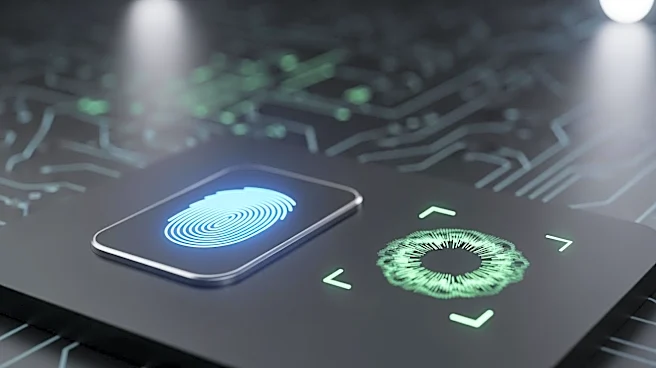
In 2026, businesses are increasingly adopting biometric authentication methods to enhance security and streamline access control. These methods, which include facial recognition, fingerprint scanning, iris recognition, and voice recognition, offer a more
secure alternative to traditional passwords. Biometric authentication ties access to the individual, reducing the risk of breaches caused by stolen credentials. The shift towards these technologies is driven by the need to prevent data breaches, which have become costly for organizations. Biometric systems are being deployed across various sectors, including financial services, healthcare, and government, to improve security and compliance.
Why It's Important?
The move towards biometric authentication reflects a broader trend in enterprise security, where organizations are seeking more reliable and user-friendly methods to protect sensitive information. By reducing reliance on passwords, businesses can mitigate the risk of credential-based breaches, which are a common entry point for cyberattacks. This shift also aligns with the Zero Trust security model, which requires continuous identity verification. As biometric technologies become more sophisticated and accessible, they are likely to become a standard component of security strategies across industries, offering both enhanced protection and operational efficiency.
What's Next?
As biometric authentication becomes more widespread, businesses will need to address challenges such as data privacy, accuracy, and integration with existing systems. Companies will likely invest in multi-modal biometric solutions that combine multiple authentication methods for added security. Additionally, regulatory compliance will be a key consideration, as organizations navigate varying data protection laws. The continued evolution of biometric technologies will drive further innovation in identity and access management, potentially leading to fully passwordless environments in the future.