







What's Happening?
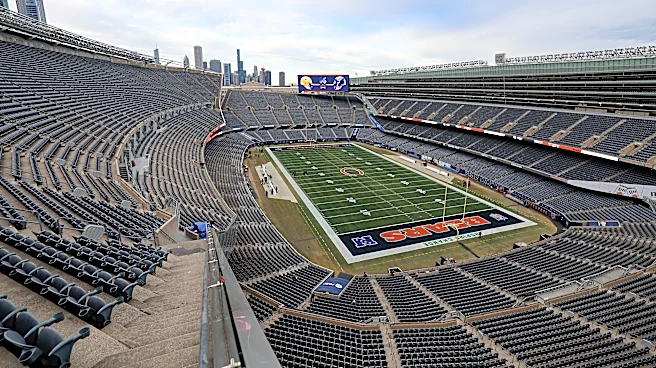
The Chicago Bears' plan to move to a new stadium in Arlington Heights has collapsed after Illinois lawmakers failed to pass the necessary legislation. This development has opened the door for Chicago Mayor Brandon Johnson to propose reconsidering Chicago as a potential
site for the new stadium. Meanwhile, Hammond, Indiana, is positioning itself as a viable alternative, with Mayor Tom McDermott expressing optimism about the Bears' potential move. The legislative session also saw other significant developments, including the passage of a state spending plan and discussions on unionization for rideshare drivers.
Why It's Important?
The failure to secure a stadium deal for the Bears in Arlington Heights has significant implications for the team's future and the economic landscape of the region. A new stadium in Chicago could revitalize local businesses and boost the city's economy, while a move to Hammond could shift economic benefits across state lines. The situation highlights the complexities of sports-related economic development and the role of legislative support in such endeavors. Additionally, the broader legislative outcomes, such as the potential unionization of rideshare drivers, reflect ongoing shifts in labor dynamics and economic policy in Illinois.
What's Next?
With the Arlington Heights deal off the table, stakeholders will likely explore alternative locations for the Bears' new stadium. Chicago's renewed interest could lead to negotiations that might keep the team within city limits, potentially involving new proposals or incentives. Hammond's interest suggests a competitive bid to attract the team, which could influence future legislative and economic strategies. The outcome will depend on the Bears' priorities and the ability of interested parties to present compelling offers. Meanwhile, the legislative focus may shift to other economic and labor issues, as seen with the rideshare unionization efforts.