
What's Happening?
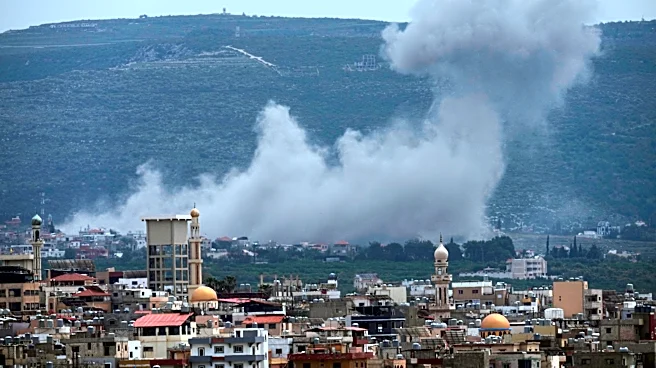
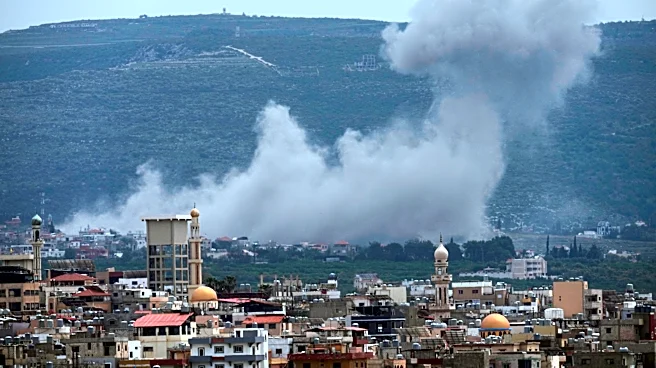
The ongoing conflict in the Middle East has led to a significant disruption in the supply of helium, a critical component for semiconductor manufacturing. The conflict has affected production and transportation
routes, particularly impacting the Ras Laffan Industrial City in Qatar, the world's largest helium production site. Damage from Iranian drones and missiles has forced QatarEnergy to declare a force majeure, with repairs expected to take three to five years. The closure of the Strait of Hormuz has further complicated helium transport, forcing shipping lines to reroute vessels, which is not ideal for helium due to its need for specialized cryogenic containers. As a result, chipmakers, especially those in South Korea, are facing supply constraints, prompting them to seek alternative sources in North America.
Why It's Important?
Helium is indispensable for the semiconductor industry, particularly for AI chipmakers, as it is used in water cooling processes and stabilizing temperatures during semiconductor sketching. The shortage poses a threat to the production capabilities of major chipmakers like Samsung and SK Hynix, which rely heavily on helium imports from Qatar. The disruption could lead to increased production costs and delays, affecting the global supply chain for semiconductors. U.S. suppliers have stepped in to stabilize the market, but the situation underscores the need for diversification of supply chains away from the Middle East. This shift could have long-term implications for the semiconductor industry, potentially increasing reliance on North American sources.
What's Next?
Chipmakers and data center developers are likely to continue diversifying their helium supply chains, moving away from the Middle East and towards North America. New helium production operations in the U.S. are expected to mitigate some of the supply constraints. Additionally, the geopolitical situation in the Middle East remains volatile, and further disruptions could exacerbate the helium shortage. Stakeholders in the semiconductor industry will need to closely monitor developments and adjust their strategies accordingly to ensure a stable supply of helium.
Beyond the Headlines
The helium shortage highlights the vulnerability of global supply chains to geopolitical conflicts. It also raises questions about the sustainability and resilience of critical industries like semiconductor manufacturing. The situation may prompt a reevaluation of supply chain strategies, emphasizing the importance of diversification and local sourcing. Furthermore, the conflict's impact on helium supply could accelerate efforts to develop alternative cooling technologies for semiconductors, potentially leading to innovation in the industry.