






What's Happening?
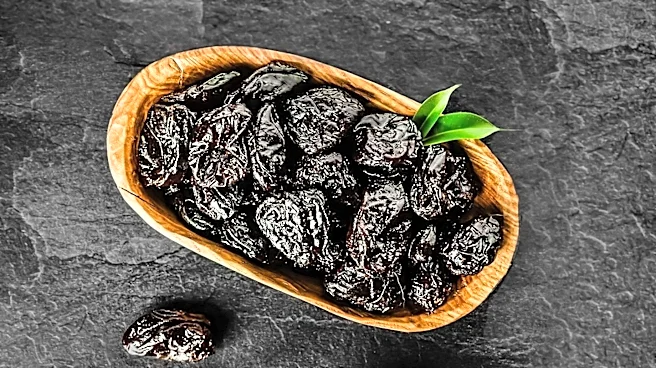
Prunes, often associated with digestive health, are gaining recognition for their broader health benefits. According to dietitians and a gastroenterologist, prunes are effective in relieving constipation due to their high fiber content and the presence
of sorbitol, a natural sugar alcohol that aids digestion. Prunes are rich in both soluble and insoluble fiber, which helps add bulk to stool and promotes regular bowel movements. Beyond their digestive benefits, prunes are also noted for their high potassium content, which supports heart health, muscle function, and blood pressure regulation. Additionally, prunes contain antioxidants and vitamin K, contributing to bone health and potentially reducing the risk of cognitive decline. Despite their sweet taste, prunes have a low glycemic index, making them a smart choice for those managing blood sugar levels.
Why It's Important?
The emphasis on prunes as a health food highlights a shift towards natural dietary solutions for common health issues like constipation. This could influence consumer behavior, encouraging more people to incorporate prunes into their diets for their multifaceted health benefits. The recognition of prunes' role in bone health and their potential to prevent cognitive decline could particularly appeal to aging populations seeking to maintain health and vitality. Furthermore, the low glycemic index of prunes makes them an attractive option for individuals managing diabetes or those looking to maintain stable blood sugar levels. As awareness of these benefits grows, there may be increased demand for prunes, impacting agricultural production and market trends in the dried fruit industry.
What's Next?
As prunes gain popularity for their health benefits, there may be increased research into their effects on various health conditions. This could lead to new dietary recommendations or guidelines emphasizing the inclusion of prunes in a balanced diet. The food industry might respond by developing new prune-based products or incorporating prunes into existing food items to cater to health-conscious consumers. Additionally, public health campaigns could emerge to educate consumers about the benefits of prunes, potentially increasing their consumption and altering dietary habits.
Beyond the Headlines
The growing interest in prunes reflects a broader trend towards using food as medicine, where natural foods are recognized for their health-promoting properties. This trend could lead to a reevaluation of other traditional foods that have been overlooked or undervalued. The cultural perception of prunes as an 'old-people' food may shift as younger generations become more aware of their health benefits, potentially changing the market demographics for prunes. Moreover, the environmental impact of increased prune production could become a topic of discussion, prompting considerations of sustainable agricultural practices.