





What's Happening?
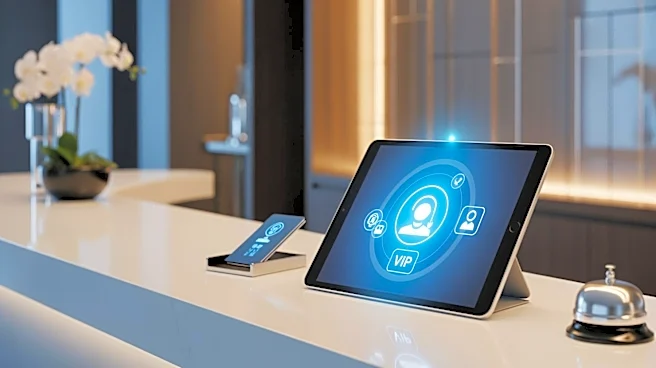
The hospitality industry is witnessing a transformative shift with the introduction of hospitality agentic platforms. These platforms are designed to streamline hotel operations by acting as an AI orchestration layer that operates existing software systems
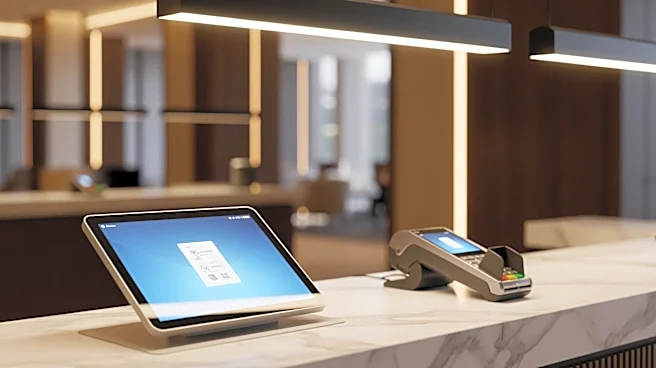
on behalf of human staff. Unlike traditional systems that require manual navigation, these platforms enable hotel staff to interact through natural conversation, either by chat or voice. This innovation addresses the industry's challenge of fragmented workflows, where a single guest request might involve multiple systems. By integrating with existing systems like PMS, RMS, and POS through APIs, these platforms can execute tasks such as bookings, room blocking, and service requests efficiently. The platforms also feature multimodal intelligence, allowing them to analyze visual information and trigger workflows automatically, thus reducing delays and manual errors.
Why It's Important?
The introduction of hospitality agentic platforms is significant as it addresses the growing complexity and labor pressures faced by the hotel industry. By automating routine tasks and reducing the cognitive load on staff, these platforms allow hotel teams to focus on providing better service and building relationships with guests. This shift not only enhances productivity but also aligns with the industry's need for scalable and adaptable technology solutions. The ability to integrate seamlessly with existing systems without extensive training requirements makes these platforms a practical choice for hotels looking to improve operational efficiency. As guest expectations continue to rise, the adoption of such technology could become a competitive advantage for hotels, enabling them to deliver faster and more personalized services.
What's Next?
As the hospitality industry continues to evolve, the adoption of agentic platforms is likely to increase. Hotels may begin to explore further integrations and customizations to enhance their service offerings. The focus will likely be on expanding the capabilities of these platforms to cover more aspects of hotel operations, potentially leading to new partnerships and innovations in hotel technology. Stakeholders, including hotel chains and technology providers, may collaborate to develop industry standards and best practices for implementing these platforms. Additionally, as the platforms gain traction, there could be a shift in workforce dynamics, with staff roles evolving to focus more on guest interaction and less on administrative tasks.
Beyond the Headlines
The rise of hospitality agentic platforms also raises questions about data privacy and security, as these systems handle sensitive guest information and operational data. Ensuring robust security measures and compliance with data protection regulations will be crucial for hotels adopting this technology. Furthermore, the shift towards AI-driven operations may lead to discussions about the future of employment in the hospitality sector, as automation could impact job roles and responsibilities. The ethical implications of AI decision-making in guest services and the balance between automation and human touch will be important considerations for the industry moving forward.