
What's Happening?
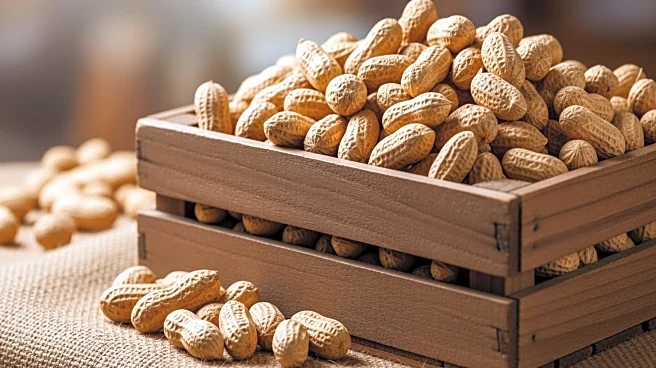
Peanut farmers in the Southeast are concluding their harvest season, facing a market where supply significantly exceeds demand. Recent data indicates that peanut supplies are 34% higher than the previous
year, contributing to a weaker market tone. The USDA Peanut Stocks and Processing Report highlights a decline in peanut usage across several categories during the first three months of the marketing year, including a 1.4% drop in candy production, a 6.3% decrease in snack peanut use, and a 5.8% reduction in peanut butter consumption. Despite higher stocks, the demand has not kept pace, leading to lower prices and increased pressure on producers.
Why It's Important?
The current situation in the peanut market is significant as it affects both producers and consumers. For farmers, the oversupply and reduced demand result in lower prices, impacting their profitability and financial stability. The decline in peanut butter consumption is particularly concerning, given its role as an affordable protein source. For consumers, while lower prices might seem beneficial, the long-term effects could include reduced production and availability if farmers cannot sustain operations. The market dynamics also reflect broader economic challenges, such as supply chain disruptions and changing consumer preferences.
What's Next?
The peanut industry will closely monitor demand trends in the coming months, particularly in the snack, peanut butter, and candy sectors. An improvement in these areas is crucial for balancing the current oversupply. Additionally, industry stakeholders may explore strategies to boost consumption, such as marketing campaigns or product innovation. Government purchases, while providing some support, are not sufficient to offset the broader demand softness. The market's response to these challenges will determine the future stability and growth of the peanut sector.