









What's Happening?
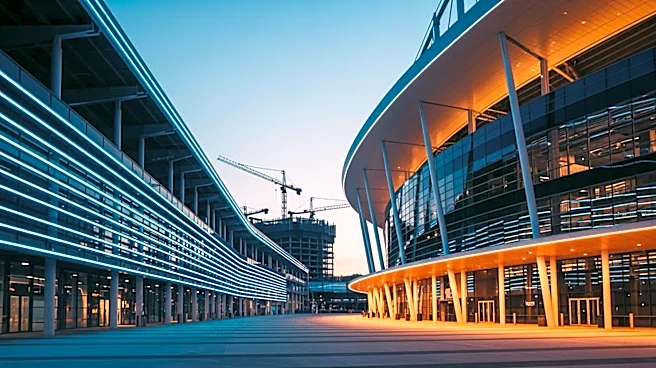
The 2026 World Cup, set to be the largest ever, will be hosted across three countries, including the United States, and will feature 16 stadiums. In preparation for the event, significant transformations are underway, particularly concerning the playing
surfaces. Seven of the 11 U.S. venues, which typically have artificial-turf fields, are undergoing multi-million-dollar upgrades to install state-of-the-art grass fields. These fields are equipped with advanced root systems and irrigation methods to meet FIFA's requirements for natural grass. Additionally, stadiums with corporate names not affiliated with FIFA sponsors will adopt generic names during the tournament.
Why It's Important?
The transformation of stadiums for the World Cup is crucial for meeting international standards and ensuring the quality of play. This investment reflects the importance of the World Cup as a global sporting event and its potential economic impact on host cities. The upgrades are expected to enhance the fan experience and showcase the U.S. as a capable host for major international events. The changes also highlight the logistical and financial commitments required to host such a large-scale tournament, with implications for local economies, tourism, and infrastructure development.
What's Next?
As the World Cup approaches, further preparations will continue, including the completion of stadium upgrades and logistical planning for the influx of international visitors. Host cities will likely ramp up marketing and infrastructure projects to accommodate the expected increase in tourism. The success of these preparations will be critical in ensuring a smooth and memorable tournament. Additionally, the performance of the U.S. Men's National Team and the overall execution of the event will be closely watched as indicators of the country's ability to host future international sporting events.