




What's Happening?
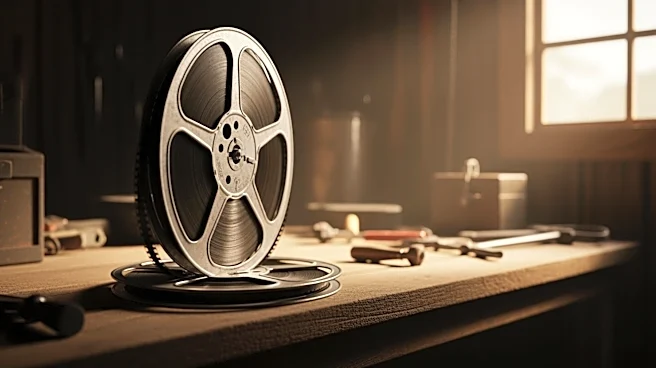
A long-lost film by Georges Méliès, a pioneer of early cinema, has been discovered in a garage in Grand Rapids, Michigan. Bill McFarland, who inherited a century-old trunk from his great-grandfather, donated the films to the U.S. Library of Congress after
failing to find a museum willing to take them due to their combustible nature. Among the films was 'Gugusse and the Automaton,' a 45-second reel identified by a black star painted in the center, marking it as a work of Méliès's Star Film company. The film, dating back to around 1897, depicts a magician's struggle to control a robot, reflecting themes relevant to today's discussions on artificial intelligence. Méliès, known for his innovative techniques like double exposure and jump cuts, made over 500 films, though many were lost or repurposed during World War I. The Library of Congress has digitized 'Gugusse' for public viewing.
Why It's Important?
The discovery of 'Gugusse and the Automaton' is significant as it adds to the legacy of Georges Méliès, a key figure in the development of cinematic techniques that are foundational to modern filmmaking. This find enriches the historical understanding of early cinema and provides insight into the themes and narratives explored during the nascent stages of film. The preservation and digitization of such works are crucial for cultural heritage, allowing contemporary audiences to appreciate the origins of film and its evolution. Additionally, the film's narrative about controlling technology resonates with current debates on artificial intelligence, highlighting the timeless nature of certain cinematic themes.