





What's Happening?
Inflation in the United States has reached its highest level in three years, driven by a significant increase in gas prices. The Consumer Price Index (CPI) rose by 4.2% in May compared to the previous year, marking a continued upward trend from 3.8% in April.
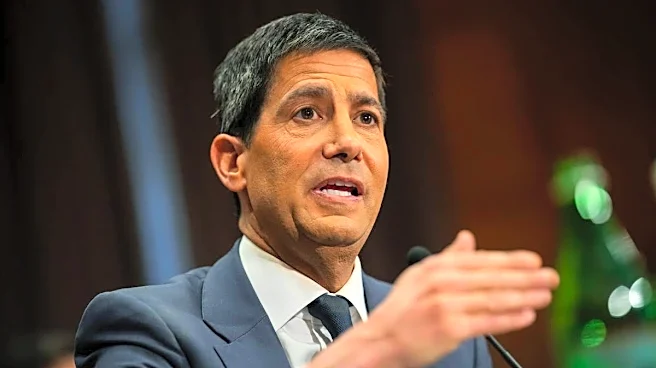
This surge in inflation is largely attributed to rising energy costs, particularly gasoline, which have been exacerbated by geopolitical tensions, such as the Iran war affecting oil supply. The Federal Reserve, under new chair Kevin Warsh, is expected to maintain its key interest rate in the upcoming policy meeting, although there is speculation that rates may be increased by the end of the year to combat persistent inflation. Despite the inflationary pressures, the job market shows signs of improvement, with increased hiring and economic growth.
Why It's Important?
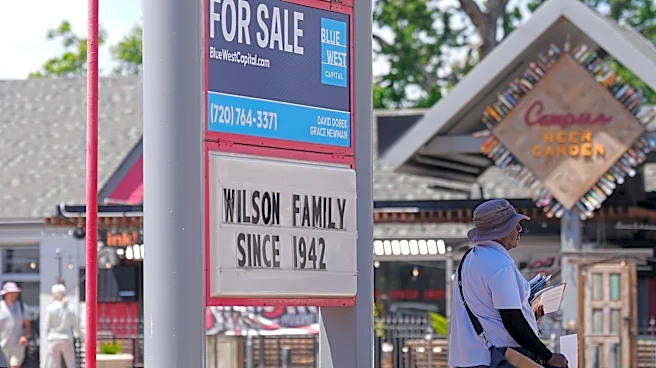
The rising inflation poses a significant challenge for both consumers and businesses in the U.S. As prices increase faster than wages, many Americans are experiencing financial strain, leading to changes in spending behavior and increased reliance on savings. Businesses, particularly small enterprises, are struggling with higher operational costs, which are often passed on to consumers. The Federal Reserve's response to this inflationary trend is crucial, as any decision to raise interest rates could impact borrowing costs for mortgages, auto loans, and business investments. The situation also presents a political challenge for the Trump administration, as economic conditions could influence voter sentiment in the upcoming midterm elections.
What's Next?
The Federal Reserve's upcoming policy meeting will be closely watched for any changes in interest rate policy. While the current expectation is to keep rates unchanged, the persistent inflation may prompt a rate hike later in the year. This decision will be influenced by ongoing economic indicators, including job market performance and consumer spending patterns. Additionally, geopolitical developments, such as the resolution of the Iran conflict, could impact energy prices and, consequently, inflation rates. Businesses and consumers alike will need to adapt to these economic conditions, potentially leading to shifts in market strategies and consumer behavior.