






What's Happening?
Meta has released a significant update for its Ray-Ban Display smart glasses, introducing new features such as air gesture typing and expanded developer access. The update, known as Meta update 125, includes Neural Handwriting, which allows users to type
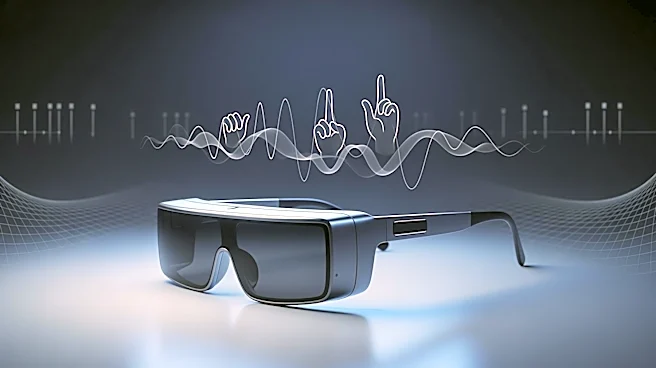
by moving their fingers on any surface while wearing the Neural Band accessory. This feature is compatible with iOS and Android devices and works across various Meta platforms, including Instagram, WhatsApp, and Messenger. Additionally, the update adds a display recording feature, enhanced map functionalities, and improved social media interactions. Notably, Meta has opened the Ray-Ban Display to third-party developers, enabling them to create new applications and interfaces for the glasses.
Why It's Important?
The update to Meta's Ray-Ban Display represents a significant step forward in wearable technology, enhancing user interaction and expanding the device's capabilities. By introducing air gesture typing, Meta is pushing the boundaries of how users interact with digital devices, potentially setting a new standard for hands-free communication. The decision to open the platform to third-party developers could lead to a surge in innovative applications, broadening the glasses' appeal and functionality. This move not only benefits consumers by offering more personalized and diverse experiences but also positions Meta as a leader in the wearable tech market, potentially influencing future developments in the industry.
What's Next?
With the Ray-Ban Display now open to third-party developers, we can anticipate a wave of new applications and features that will enhance the user experience. Developers may create apps that leverage the glasses' unique capabilities, such as augmented reality navigation, fitness tracking, and immersive gaming experiences. As these applications become available, consumer interest in smart glasses is likely to grow, driving further adoption and innovation. Additionally, Meta's competitors may respond by accelerating their own wearable tech developments, leading to increased competition and rapid advancements in the field.
Beyond the Headlines
The expansion of smart glasses technology raises questions about privacy and data security. As these devices become more integrated into daily life, concerns about the collection and use of personal data may intensify. Companies like Meta will need to address these issues by implementing robust privacy measures and transparent data policies. Furthermore, the widespread adoption of smart glasses could have cultural implications, influencing how people interact with technology and each other. As society adapts to these changes, discussions around digital etiquette and the impact of constant connectivity on mental health may become more prominent.