





What's Happening?
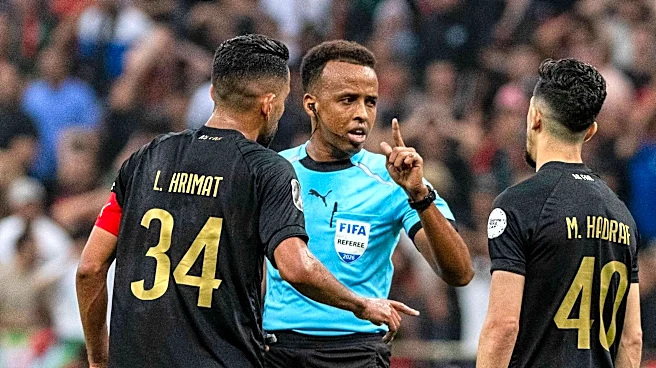
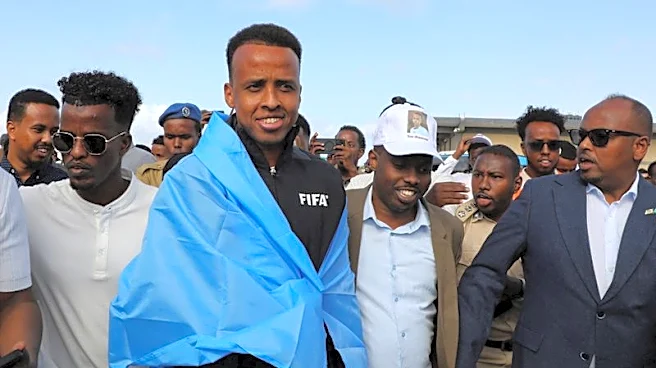
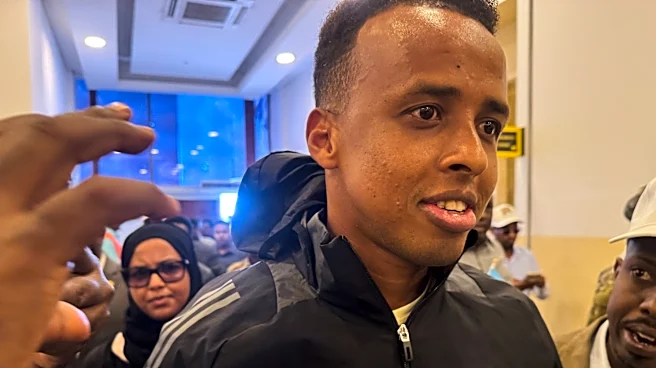
Omar Abdulkadir Artan, a FIFA-appointed Somali referee, was denied entry into the United States, preventing him from officiating at the World Cup. Despite this setback, Artan has been selected to officiate the UEFA Super Cup between Paris St Germain and
Aston Villa. Artan, recognized as one of Africa's leading referees, was initially set to become the first Somali to referee at a World Cup. However, upon arrival at Miami International Airport, he was turned away due to 'vetting concerns' cited by U.S. Customs and Border Protection. The Trump administration indicated that the vetting process revealed 'derogatory information,' including alleged associations with suspected terror organization members. Despite being issued a visa by the Somalia Embassy in Kenya, Artan's entry was blocked, leading to FIFA's confirmation that he would not participate in the World Cup. UEFA's decision to appoint him for the Super Cup highlights a contrast in handling by different football governing bodies.
Why It's Important?
The denial of entry to Omar Artan underscores the complexities and potential conflicts between international sports governance and national security policies. The incident highlights the impact of U.S. immigration policies on global events, particularly those involving countries on travel ban lists. Artan's case has drawn international attention, reflecting broader tensions between national security measures and the inclusivity goals of global sports organizations like FIFA and UEFA. The decision by UEFA to appoint Artan for a high-profile match like the Super Cup can be seen as a statement supporting inclusivity and non-discrimination in sports, potentially influencing future interactions between sports bodies and national governments.
What's Next?
Artan's appointment to the UEFA Super Cup may set a precedent for how sports organizations navigate political and immigration challenges. It remains to be seen how FIFA and other sports bodies will address similar situations in the future, especially in countries with stringent entry requirements. The incident could prompt discussions on the role of sports in bridging political divides and the responsibilities of host countries in facilitating international participation. Additionally, Artan's experience may influence future policy adjustments by FIFA regarding the selection and support of referees from countries facing travel restrictions.
Beyond the Headlines
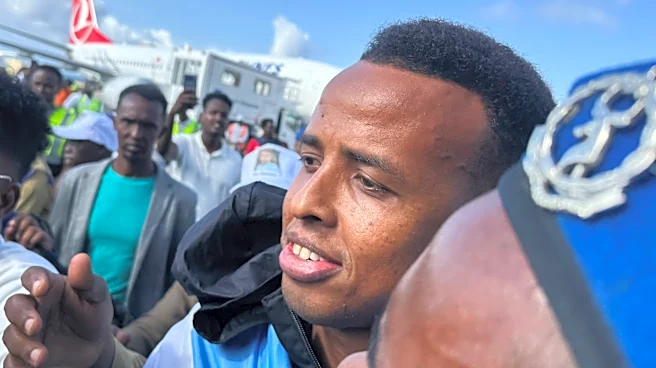
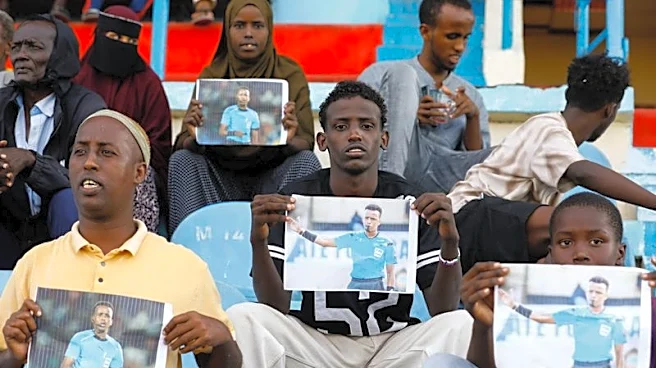
Artan's situation highlights the broader issue of how international sports events intersect with geopolitical realities. The incident raises questions about the balance between security concerns and the spirit of global sportsmanship. It also underscores the potential for sports to serve as a platform for cultural exchange and diplomacy, even amidst political tensions. The support Artan received from UEFA and the Somali community reflects the unifying power of sports and its ability to transcend national boundaries, fostering a sense of global community and shared values.