



What's Happening?
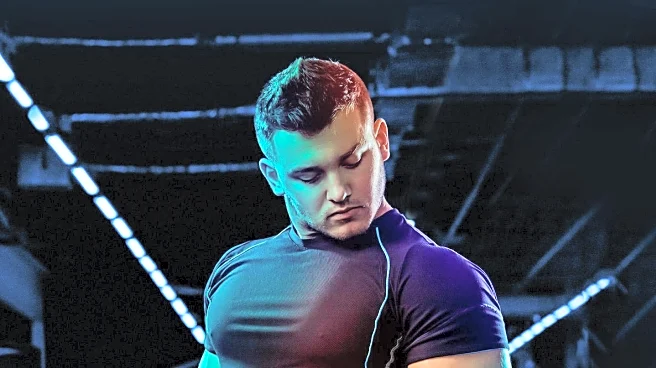
Isometric training, a method involving holding positions where muscles are under high tension, is gaining attention for its effectiveness in building muscle size and strength. This approach is highlighted by Chris Bumstead, a six-time Mr. Olympia, who
has incorporated isometric holds into his workout routine. Bumstead, now retired from professional bodybuilding, focuses on exercises that improve joint health and address previous injuries. His routine includes exercises like hip thrusts, dumbbell step-downs, and Romanian deadlifts, emphasizing isometric holds to enhance muscle engagement and stability. Research supports the benefits of isometric training, showing it can lead to significant improvements in muscular hypertrophy and strength, making it a valuable addition to fitness regimens.
Why It's Important?
The growing interest in isometric training reflects a shift in fitness priorities towards sustainable and injury-preventive exercise methods. This approach is particularly beneficial for individuals recovering from injuries, as it allows for muscle engagement without the risk of further damage. The method's ability to improve neural drive and motor unit firing rates also contributes to increased strength, making it appealing to both athletes and fitness enthusiasts. As more people seek effective ways to maintain fitness while minimizing injury risks, isometric training offers a promising solution that aligns with these goals.
What's Next?
As isometric training continues to gain popularity, it is likely to be integrated into more mainstream fitness programs and rehabilitation protocols. Fitness professionals may increasingly recommend isometric exercises to clients looking to enhance muscle strength and joint health. Additionally, further research could explore the long-term benefits of isometric training, potentially leading to new insights and applications in sports science and physical therapy. The fitness industry may also see the development of specialized equipment and classes focused on isometric techniques, catering to the growing demand for this training method.
Beyond the Headlines
The rise of isometric training highlights a broader trend towards functional fitness, where the focus is on exercises that improve everyday movement and prevent injuries. This approach challenges the traditional emphasis on lifting heavier weights and instead promotes exercises that enhance overall body stability and coordination. As fitness culture evolves, isometric training may play a key role in redefining how people approach strength training, emphasizing quality of movement over quantity of weight lifted.