

What's Happening?
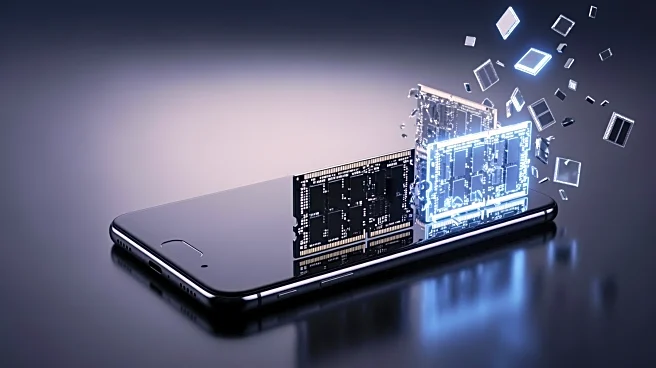
Chinese handset manufacturer Meizu, which is majority-owned by the automotive company Geely, has announced its decision to cease production of its own mobile phones. This move is attributed to intense competition within the domestic market and a significant
increase in memory prices, which have made the commercialization of new products unfeasible. Meizu had previously canceled the launch of its new handset, the Meizu 22 AI. Despite exiting the handset business, the company plans to continue developing AI-based software for its Flyme operating system, which is used in cars. This decision follows similar exits by other small handset brands like Black Shark and Lenovo Legion in recent years, as well as Taiwanese company Asus, which has shifted its focus to PCs and AI devices. The closures come amid forecasts of a sharp decline in global handset demand due to rising memory costs and geopolitical factors.
Why It's Important?
The exit of Meizu from the handset market highlights the broader challenges facing the global smartphone industry, particularly for smaller brands. Rising memory costs and fierce competition are squeezing profit margins, especially in the ultra-low-cost segments. Analysts predict a significant decline in smartphone shipments, with IDC forecasting the largest ever drop of 12.9%. This trend is exacerbated in China, the world's largest smartphone market, where domestic consumption remains weak. The decline in smartphone demand could have ripple effects across related industries, including memory chip manufacturers and component suppliers. Additionally, the shift of companies like Asus towards AI and PC markets indicates a potential realignment of business strategies in response to these market pressures.
What's Next?
As Meizu and other companies exit the handset market, it is likely that remaining players will face increased pressure to innovate and differentiate their products to maintain market share. The focus may shift towards higher-end devices and integration of advanced technologies such as AI to attract consumers. Additionally, companies may explore new markets or diversify their product offerings to mitigate the impact of declining smartphone sales. The industry will also be closely watching geopolitical developments and their potential impact on supply chains and component costs.