



What's Happening?
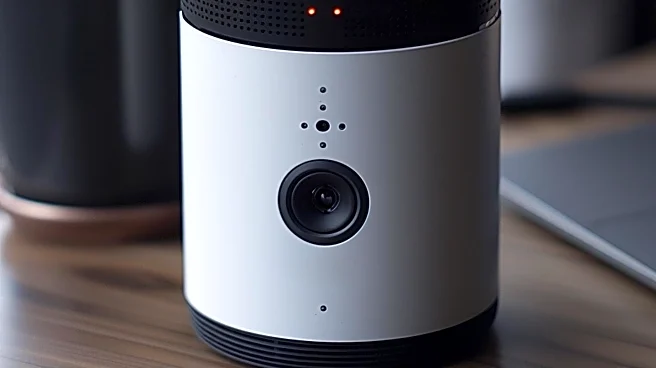
AI technology is increasingly being integrated into home automation systems, offering advanced features that enhance security and efficiency. Companies like Google Home, Ring, and Arlo are utilizing AI to provide features such as package recognition, which alerts homeowners when a package is delivered or potentially stolen. Smart speakers and security systems are now capable of recognizing sounds like fire alarms and breaking glass, providing real-time alerts to homeowners. Additionally, AI-driven thermostats are learning daily habits to optimize energy use, while pet tech is being developed to monitor pet activities and health. These innovations are part of a broader trend of AI integration into everyday home devices, aiming to improve convenience
and safety.
Why It's Important?
The integration of AI into home systems represents a significant shift in how technology can enhance daily life. By improving security measures and energy efficiency, these AI-powered devices can lead to cost savings and increased peace of mind for homeowners. The ability to monitor and respond to potential issues in real-time can prevent damage and reduce the risk of theft. Furthermore, the development of AI in pet tech and home automation reflects a growing market for smart home solutions, which could drive further innovation and investment in the sector. This trend also highlights the increasing role of AI in personal and domestic settings, potentially transforming how people interact with their living environments.
What's Next?
As AI technology continues to evolve, we can expect further advancements in home automation systems. Companies are likely to develop more sophisticated AI features that offer even greater levels of customization and control. The expansion of AI capabilities in home devices may also lead to increased competition among tech companies, driving innovation and potentially lowering costs for consumers. Additionally, as these technologies become more widespread, there may be discussions around privacy and data security, prompting the need for robust regulatory frameworks to protect consumer information.