







What's Happening?
Inflation in the United States has reached its highest level in three years, driven by a significant increase in gas prices due to the ongoing conflict in Iran. According to the Labor Department, consumer prices rose by 4.2% in May compared to the previous
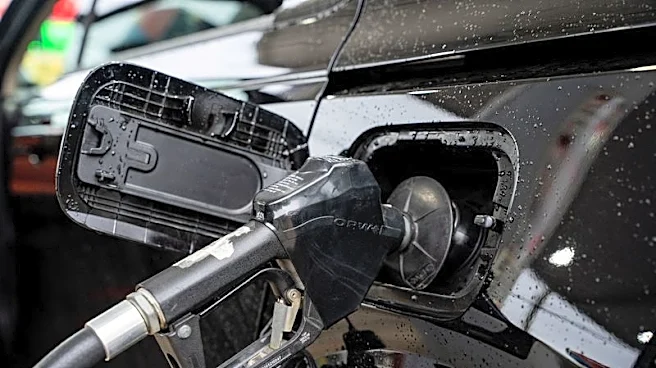
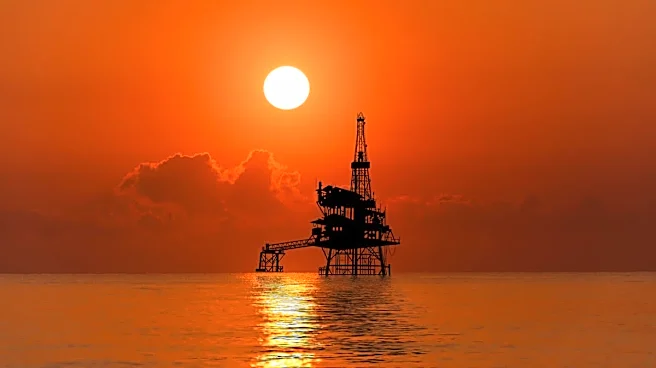
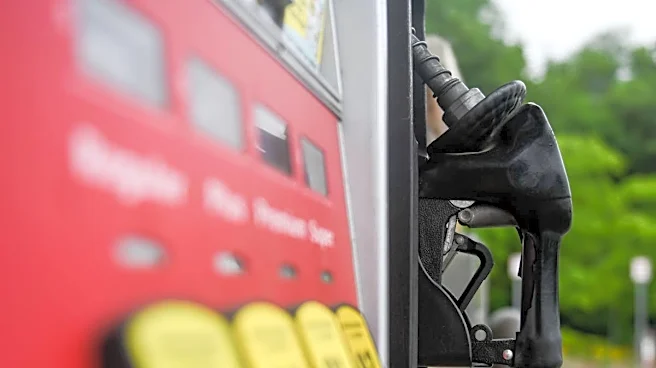
year, marking a steady increase from 3.8% in April. The rise in gas prices, which surged from $4.04 to $4.49 per gallon in mid-May, is attributed to Iran's closure of the Strait of Hormuz, a critical chokepoint for global oil supply. While core inflation, excluding volatile food and energy prices, rose at a more modest pace, the overall increase in consumer prices poses a challenge for the Federal Reserve and the Trump administration as midterm elections approach.
Why It's Important?
The surge in inflation, particularly driven by energy costs, presents a significant economic challenge for the United States. It complicates the Federal Reserve's monetary policy decisions, as higher inflation could necessitate interest rate hikes to prevent the economy from overheating. This situation also poses a political challenge for President Trump's administration, as rising costs of living could impact voter sentiment ahead of the midterm elections. Additionally, the increase in shipping costs due to higher diesel prices is likely to affect grocery prices, further straining household budgets. The broader economic implications include potential shifts in consumer spending and increased pressure on businesses to manage rising operational costs.
What's Next?
As gas prices have started to decline slightly, there is potential for inflation to cool in the coming months. However, the Federal Reserve may still consider raising interest rates to manage inflationary pressures, with Wall Street investors anticipating a rate hike in December. The ongoing conflict in Iran and its impact on global oil supply will continue to be a critical factor in determining future inflation trends. Policymakers and businesses will need to navigate these uncertainties, balancing the need for economic growth with the risks of sustained inflation.