




What's Happening?
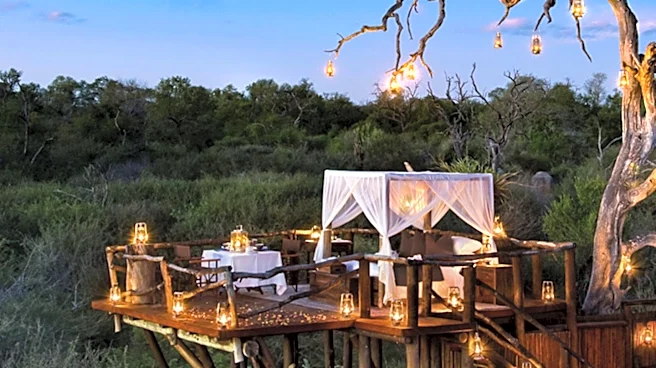
Airbnb has released its list of the most wish-listed rental properties across the United States, revealing a strong preference for nature-centric accommodations. The list includes treehouses, cabins, and A-Frames, with treehouses emerging as the most popular
choice in 12 states, including Maine, Vermont, and Washington. This trend reflects a growing desire among travelers to escape urban environments and immerse themselves in natural settings. The list notably excludes major cities, with Tucson, Arizona being the largest urban area represented. The popularity of treehouses is also mirrored in luxury resorts, such as Vermont's Twin Farms, which has added new treehouses to its offerings. Other resorts across the country have followed suit, indicating a broader trend in the hospitality industry towards unique, nature-focused lodging options.
Why It's Important?
The preference for nature-centric accommodations like treehouses and cabins highlights a shift in travel trends towards more sustainable and immersive experiences. This trend could influence the hospitality industry to invest more in eco-friendly and unique lodging options, potentially impacting hotel design and marketing strategies. For Airbnb, this trend underscores the importance of diversifying its offerings to include more rural and nature-based properties, which could attract a wider range of travelers seeking tranquility and adventure. The emphasis on nature escapes also suggests a growing consumer interest in sustainable travel, which could drive demand for environmentally conscious tourism practices and accommodations.
What's Next?
As the trend towards nature-centric accommodations continues, Airbnb and other hospitality providers may expand their portfolios to include more unique and eco-friendly properties. This could lead to increased investment in rural areas and the development of new travel experiences that cater to the desire for natural retreats. Additionally, the popularity of treehouses and similar accommodations may prompt local governments to consider zoning and environmental regulations to accommodate the growing demand for such properties. The hospitality industry might also see collaborations with conservation groups to ensure sustainable practices are upheld in these natural settings.
Beyond the Headlines
The rise in popularity of treehouses and nature-centric accommodations could have broader cultural implications, reflecting a societal shift towards valuing simplicity and natural beauty over urban luxury. This trend may influence architectural styles and home design, with more people seeking to incorporate elements of nature into their living spaces. Furthermore, the focus on nature escapes could inspire a greater appreciation for environmental conservation and the importance of preserving natural landscapes, potentially leading to increased advocacy for sustainable tourism and travel practices.