


What's Happening?
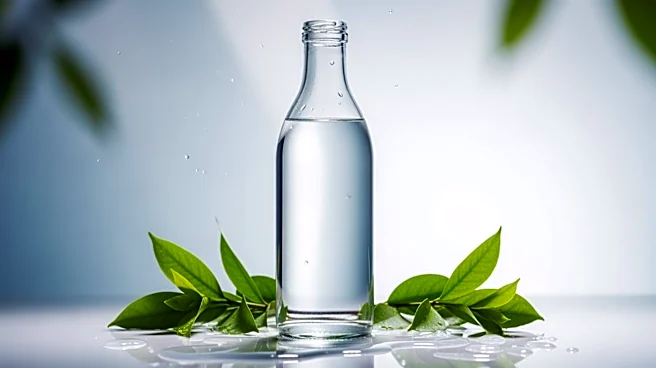
Danone, a leading French consumer goods company, is experiencing significant growth in its bottled water segment, driven by increasing health awareness among consumers in Europe. The company's brands, including Evian, have seen a surge in sales as consumers shift
away from sugary drinks. Antoine Portmann, managing director of Danone Waters Europe, highlighted that the European bottled-water market grew by 5% in value and 3% in volume last year, with notable increases in France and Britain. This growth is attributed to a growing consciousness about healthy hydration and the influence of weight loss drugs like GLP-1 in Europe and the U.S. Danone is investing in its water brands, committing millions to upgrade facilities and preserve key sites, while competitors like Nestle are reevaluating their stakes in the water market.
Why It's Important?
The shift towards healthier beverage options reflects broader consumer trends impacting the food and beverage industry. As health consciousness rises, companies like Danone are capitalizing on the demand for healthier alternatives, which could lead to a decline in sugary drink sales. This trend is significant for public health, potentially reducing obesity and related health issues. Economically, it presents opportunities for growth in the bottled water market, encouraging companies to invest in infrastructure and innovation. The competitive landscape is also evolving, with major players like Nestle reconsidering their market strategies, which could lead to mergers, acquisitions, or divestitures, affecting market dynamics and consumer choices.
What's Next?
Danone's continued investment in its water brands suggests a strategic focus on expanding its market share in the bottled water segment. As consumer preferences evolve, the company may explore new product lines or marketing strategies to further capitalize on health trends. The competitive actions of rivals like Nestle, which is considering selling a stake in its water unit, could lead to industry consolidation or new partnerships. Additionally, regulatory changes or environmental concerns related to water sourcing and packaging could influence future market developments, prompting companies to adopt more sustainable practices.