
What's Happening?
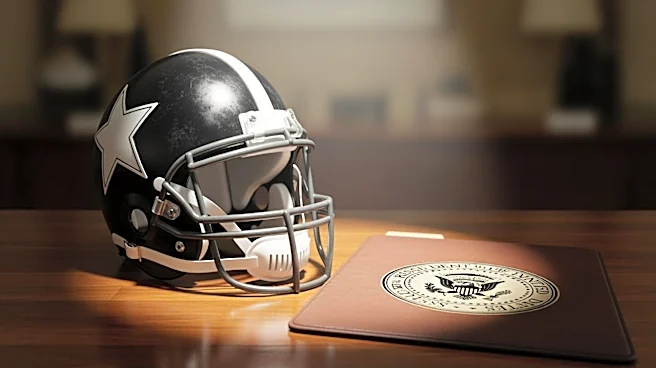
In 1961, during the height of Cold War tensions, President John F. Kennedy intervened to allow NFL star Paul Hornung to play in the championship game for the Green Bay Packers. Hornung, who was serving
in the U.S. Army as a reservist, was called to active duty along with other NFL players due to escalating geopolitical tensions. The Packers, led by coach Vince Lombardi, faced the prospect of playing without their key player in the NFL championship against the New York Giants. Lombardi, who had previously met Kennedy, reached out to the President to request an extension of Hornung's leave. Kennedy agreed, stating that while Hornung wouldn't win the war, American football fans deserved to see the best teams compete. Hornung returned to Green Bay and played a pivotal role in the Packers' victory, scoring a record-setting 19 points.
Why It's Important?
This intervention by President Kennedy highlights the intersection of sports and politics during a period of intense international tension. The decision underscored the cultural significance of football in America, even amidst global crises. It also demonstrated Kennedy's willingness to engage with popular culture and support national morale through sports. The event had a lasting impact on the NFL, showcasing the league's influence and the importance of star players in driving public interest. Hornung's performance in the championship game solidified his status as a football legend, contributing to the Packers' legacy and the NFL's growing popularity.
What's Next?
Following the championship, Hornung and other reservists returned to their teams, continuing their NFL careers. The Packers' victory and Hornung's performance helped cement the team's dominance in the league. The event also set a precedent for future interactions between sports and political figures, highlighting the potential for sports to serve as a unifying force during times of national stress. The NFL continued to grow in popularity, becoming a major cultural institution in the United States.
Beyond the Headlines
The intervention by President Kennedy also reflects the broader cultural dynamics of the 1960s, where sports figures were increasingly seen as national icons. This era marked a shift in how sports were perceived, with athletes gaining celebrity status and influencing public sentiment. The decision to allow Hornung to play can be seen as part of Kennedy's broader strategy to connect with the American public and bolster national pride during challenging times. It also illustrates the role of sports in diplomacy and cultural exchange, as well as the potential for political figures to leverage sports for public relations and morale boosting.