



What's Happening?
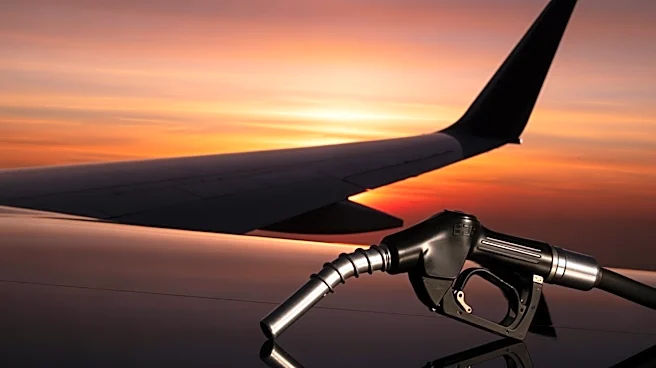
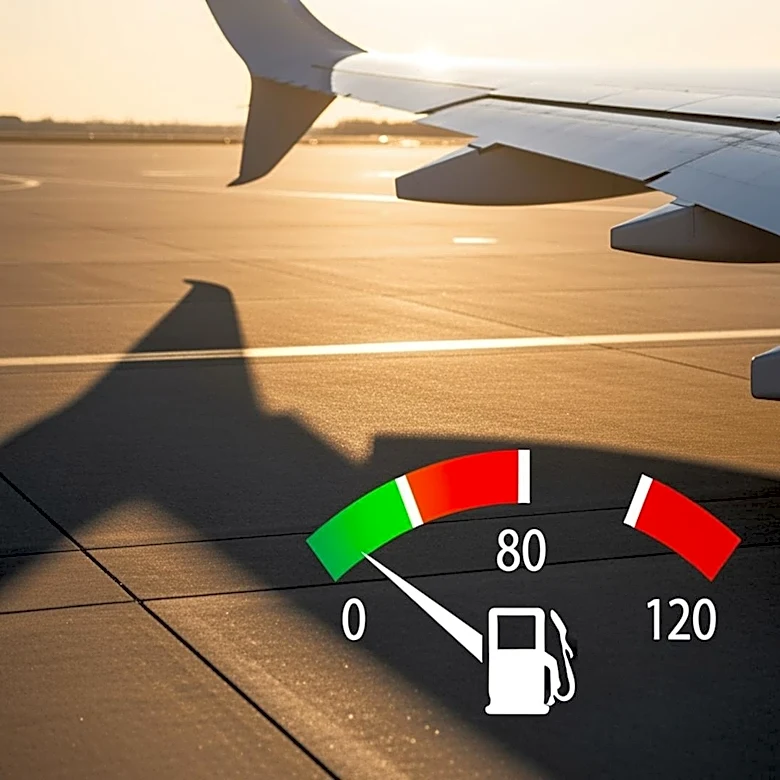
Airlines are facing increased operational challenges due to soaring jet fuel costs, leading to flight reductions and price hikes. The volatility in oil prices, exacerbated by geopolitical tensions in the Middle East, has prompted airlines to reassess
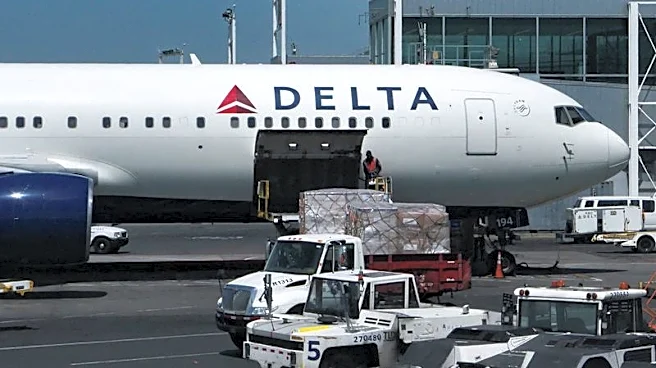
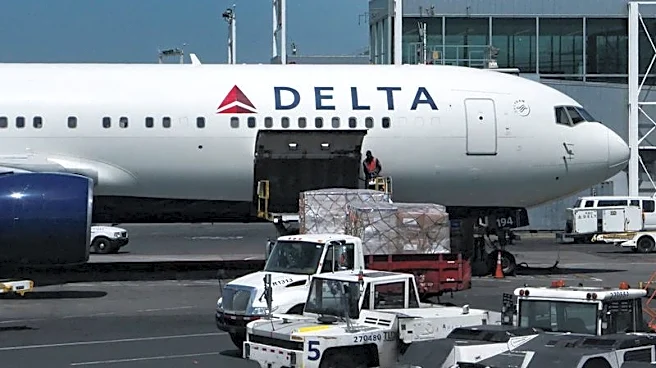
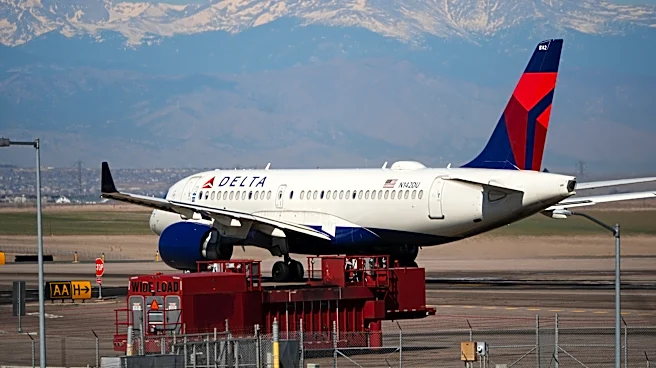
their schedules and pricing strategies. United Airlines is cutting approximately 5% of its planned flights, focusing on less profitable routes and suspending some international services. Delta Air Lines is reducing its planned seat capacity by 3.5% for the summer. These adjustments aim to mitigate the financial impact of elevated fuel prices, which have significantly increased operating expenses for airlines.
Why It's Important?
The rising jet fuel costs have broad implications for the airline industry and travelers. Airlines are forced to make strategic decisions to manage increased expenses, affecting flight availability and ticket prices. Budget-conscious travelers are likely to feel the impact first, as airlines adjust pricing and reduce flight options. The situation underscores the vulnerability of the airline industry to external economic factors, highlighting the need for adaptive strategies. The changes may lead to decreased travel demand, affecting tourism and related industries. Airlines must balance cost management with maintaining service quality to retain customer loyalty.
What's Next?
Airlines will continue to monitor fuel price trends and adjust their operations accordingly. The industry may see further flight reductions and price adjustments if fuel costs remain high. Airlines are likely to explore alternative strategies, such as dynamic pricing and larger aircraft utilization, to optimize capacity and revenue. Travelers may need to adapt to changing schedules and increased costs, potentially altering travel plans. The situation may prompt discussions on sustainable fuel alternatives and long-term strategies to mitigate similar challenges in the future.