

What's Happening?
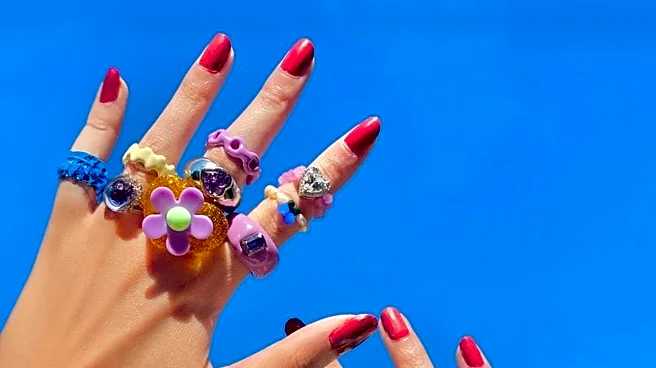
The jewelry market is experiencing a shift towards modular and customizable designs, largely driven by Gen Z and Millennial consumers. This demographic is showing a preference for 'New Vintage' aesthetics, which blend early 2000s styles with modern design elements.
Italian jewelry, known for its craftsmanship, is at the forefront of this trend, offering pieces that allow for personal expression through customizable components. These pieces often incorporate materials like 316L surgical-grade stainless steel, 18k gold, and semi-precious stones, providing durability and hypoallergenic properties. The trend reflects a broader cultural desire for authenticity and personal narrative in fashion, moving away from mass-produced accessories.
Why It's Important?
This shift in consumer preferences highlights a significant change in the fashion industry, where personalization and sustainability are becoming key drivers. The move towards modular jewelry indicates a rejection of 'throwaway' culture, with consumers seeking long-term investments in their personal brand. This trend could lead to increased demand for high-quality, customizable products, impacting manufacturing practices and material sourcing. For the jewelry industry, this means adapting to new consumer expectations and potentially reshaping marketing strategies to emphasize the personal and lasting value of their products.
What's Next?
As the demand for modular jewelry grows, manufacturers may need to innovate further in design and material use to meet consumer expectations. Brands might explore new ways to integrate technology into their products, offering even more customization options. Additionally, the trend could influence other sectors of the fashion industry, encouraging a broader move towards sustainable and personalized products. Retailers and designers will likely continue to monitor consumer behavior closely to adapt their offerings and maintain relevance in a rapidly changing market.
Beyond the Headlines
The rise of modular jewelry also raises questions about the future of fashion consumption. As consumers prioritize personal expression and sustainability, there may be a shift in how fashion is perceived and valued. This could lead to a reevaluation of what constitutes luxury and status in the fashion world, with a focus on meaningful, personalized items rather than traditional symbols of wealth. The trend also highlights the potential for fashion to serve as a medium for storytelling and personal history, offering consumers a way to connect with their past and present through their choices.