






What's Happening?
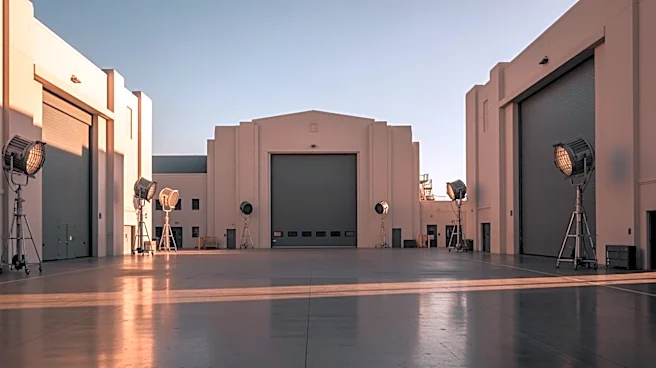
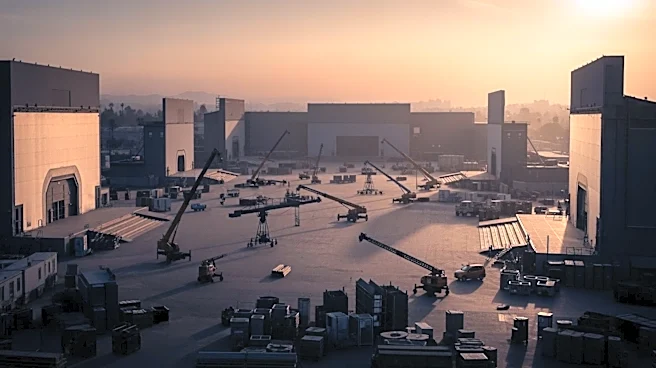
Netflix is reportedly among the potential buyers for the Radford Studios lot in Studio City, which has recently gone into foreclosure. The interest from Netflix was initially reported by Michael Trujillo, a political campaign consultant, and later confirmed
by Bloomberg through multiple sources. The Radford lot, previously owned by ViacomCBS and purchased by Hackman Capital Partners for $1.85 billion in 2021, has seen a significant drop in occupancy and faced financial difficulties due to rising interest rates. As a result, Hackman defaulted on a $1.1 billion note, leading to the property being handed over to Goldman Sachs, its largest lender. The sale price is rumored to be around $400 million, although no official comments have been made by Netflix, Hackman, or Goldman Sachs.
Why It's Important?
The potential acquisition of the Radford Studios lot by Netflix highlights the streaming giant's ongoing strategy to expand its production capabilities. This move could significantly impact the entertainment industry by increasing Netflix's production capacity in a key location like Studio City. The acquisition would also reflect Netflix's commitment to investing in infrastructure, as seen in its previous investments in New Jersey and New Mexico, where it has secured substantial tax incentives. For the local economy, this could mean job creation and increased economic activity in the area. However, the sale also underscores the financial challenges faced by studio owners like Hackman Capital Partners in the current economic climate, marked by high interest rates and fluctuating occupancy rates.
What's Next?
If Netflix proceeds with the acquisition, it may lead to significant renovations and upgrades to the Radford Studios lot, aligning with its previous commitments to enhance production facilities. This could attract more productions to the area, boosting local employment and economic growth. Additionally, Netflix's continued expansion could prompt other streaming services to increase their investments in production infrastructure to remain competitive. Stakeholders such as local government and industry professionals will likely monitor the situation closely, given the potential economic and cultural impacts of such a high-profile acquisition.