







What's Happening?
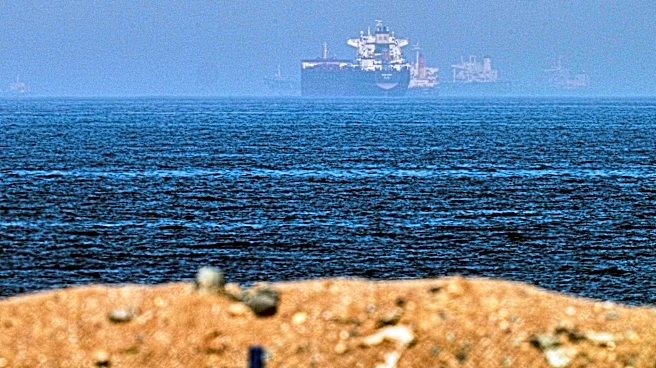
The closure of the Strait of Hormuz, a critical channel for global oil supply, has significantly impacted energy markets worldwide, including in the United States. The strait, which previously facilitated the movement of 20% of the world's oil, is currently
blocked, leading to disruptions in the flow of commodities. Tim Statts, vice president of commodity services at Schneider Electric, highlighted the global nature of the oil market, noting that even as the U.S. is a major oil producer, it remains a significant importer due to its high demand. The closure has led to increased prices, particularly affecting diesel, as the U.S. continues to import various types of crude oil to meet its refining needs. The situation is compounded by OPEC's strategic decisions to adjust oil supply in response to U.S. production levels.
Why It's Important?
The closure of the Strait of Hormuz underscores the interconnectedness of global energy markets and the vulnerability of supply chains to geopolitical events. For the U.S., which is both a major producer and consumer of oil, the disruption highlights the challenges of balancing domestic production with import needs. Rising fuel prices can have broad economic implications, affecting transportation costs, consumer prices, and overall economic growth. The situation also emphasizes the strategic importance of energy independence and the need for diversified energy sources to mitigate the impact of such disruptions. As OPEC adjusts its strategies, the U.S. energy sector may face increased pressure to enhance production capabilities and explore alternative energy solutions.
What's Next?
As the situation evolves, stakeholders in the energy sector will be closely monitoring developments at the Strait of Hormuz. The reopening of the strait could take several weeks, during which time OPEC is expected to adjust its output strategies. The U.S. may need to consider policy measures to stabilize domestic energy prices and support consumers. Additionally, the ongoing geopolitical tensions could prompt further discussions on energy security and the diversification of energy sources. Industry experts will likely continue to analyze the long-term implications of the closure on global energy markets and the potential shifts in supply and demand dynamics.