





What's Happening?
PepsiCo has faced significant financial challenges due to its pricing strategy for snacks like Doritos, Cheetos, and Lay's. The company delayed reducing prices on its $7-a-bag snacks, resulting in missed revenue targets by over $1 billion for two consecutive
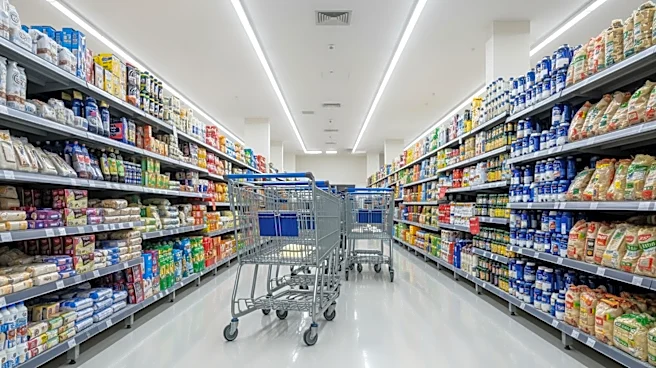
years. Retailers like Walmart reduced shelf space for these products, favoring cheaper alternatives. Despite internal debates since 2024, PepsiCo resisted price cuts, leading to declining sales and market share. The company's reliance on price hikes during the pandemic eventually backfired as consumer demand weakened.
Why It's Important?
This situation underscores the critical role of pricing strategies in consumer goods industries. PepsiCo's experience highlights the risks of over-reliance on price increases, especially in a competitive market with price-sensitive consumers. The financial setback could impact PepsiCo's market position and investor confidence, prompting a reevaluation of its pricing and marketing strategies. This case serves as a lesson for other companies on the importance of balancing pricing with consumer demand and market conditions.