





What's Happening?
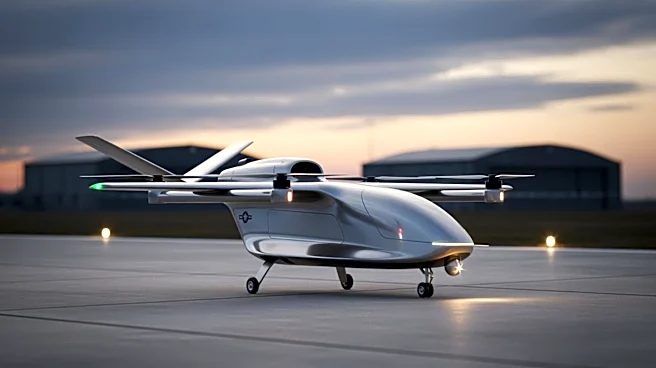
An Israeli aviation startup, AIR, has developed an electric vertical takeoff and landing (eVTOL) aircraft designed for cargo transport, known as the Air Cargo platform. This aircraft is being positioned as a potential solution for high-risk military logistics,
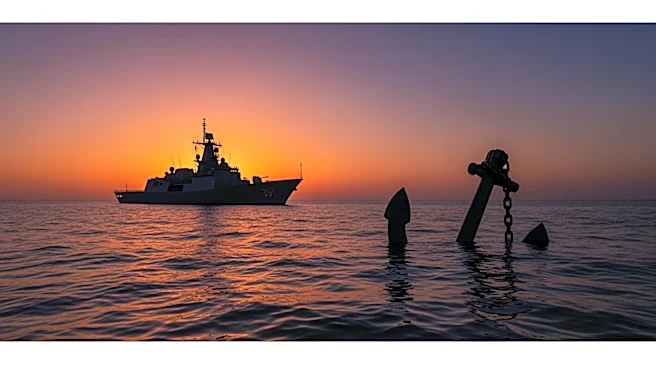
particularly in volatile zones like the Strait of Hormuz. The Air Cargo platform, which can carry up to 250 kilograms, completed its maiden flight recently and is moving towards operational deployment. A defense customer has already purchased a unit for about $1 million, and additional systems are expected to be sent to the United States for certification and military evaluation. AIR is in discussions with multiple branches of the U.S. military, including the Air Force, Navy, and Marine Corps, to replace helicopters in logistics missions. The aircraft's autonomous navigation system allows it to perform complex operations without human intervention, offering a significant economic advantage over traditional military helicopters.
Why It's Important?
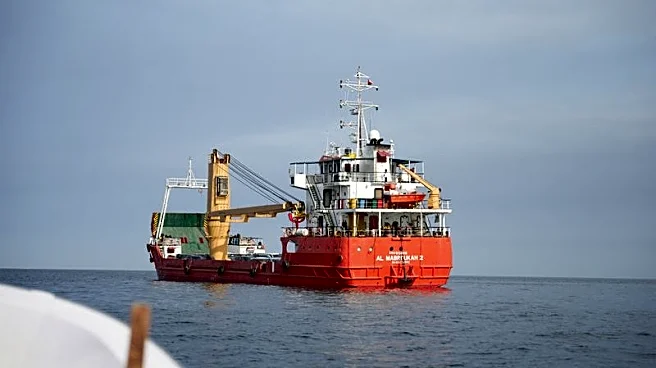
The introduction of AIR's eVTOL cargo aircraft could significantly impact military logistics by reducing costs and enhancing safety. Traditional military helicopters are expensive, costing tens of millions of dollars, whereas the Air Cargo system is priced at around $1 million per unit with lower operating costs. This cost-effectiveness, combined with the ability to operate autonomously, makes it an attractive option for the U.S. military, especially in high-risk areas like the Strait of Hormuz. The aircraft's ability to perform ship-to-ship resupply autonomously could revolutionize logistics operations, reducing the risk to human life and increasing efficiency. This development also highlights a growing trend towards autonomous systems in military applications, which could lead to broader adoption of such technologies in other sectors.
What's Next?
AIR plans to send additional units of the Air Cargo platform to the United States for certification and military evaluation. The company is also scaling production using automotive-style manufacturing processes to meet anticipated demand. As the U.S. military evaluates the aircraft, potential reactions from other defense contractors and military branches could shape the future of autonomous logistics solutions. Additionally, AIR's broader aviation platform, including the AIR ONE, a two-seat electric eVTOL for personal use, is expected to enter the market following certification by the U.S. Federal Aviation Administration later this year. This could further solidify AIR's position in both military and civilian markets.
Beyond the Headlines
The development of AIR's eVTOL cargo aircraft reflects a broader shift towards autonomous and electric aviation solutions. This shift is driven by the need for more efficient, cost-effective, and safer logistics operations. The success of AIR's platform could encourage further investment in autonomous aviation technologies, potentially leading to advancements in other areas such as urban air mobility and commercial cargo transport. Additionally, the use of such technologies in military applications raises ethical and strategic considerations, particularly regarding the reliance on autonomous systems in critical operations.