


What's Happening?
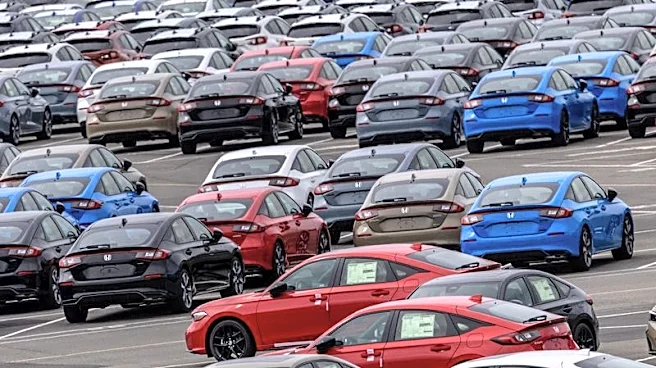
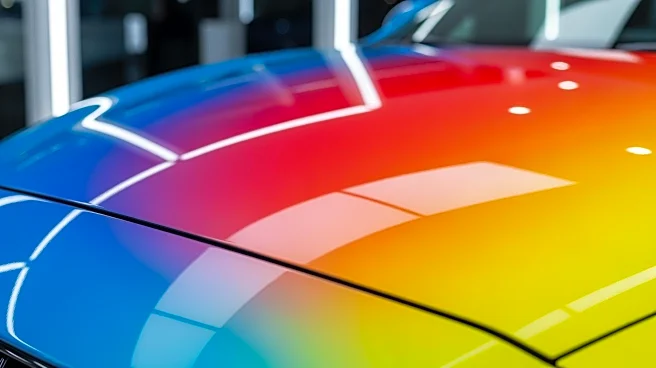
A recent trend in the automotive industry indicates a shift in consumer preferences towards more colorful vehicles. Historically, U.S. roads have been dominated by cars in neutral tones such as black, white, and gray. However, new data from Car and Driver
suggests that this trend is changing, with a growing number of consumers opting for bold and expressive paint choices. Although nearly 80% of new-car buyers still choose grayscale colors, there is a noticeable increase in the popularity of brighter options. Green, in particular, is gaining traction, likely due to its association with SUVs and crossovers, which are often marketed with outdoor imagery. Other colors like violet and orange are also becoming more popular, influenced by interests in space, futuristic aesthetics, and natural landscapes. The rise of electric vehicles is contributing to this trend by introducing new finishes such as pearl-infused whites and matte metallics.
Why It's Important?
The shift towards more colorful cars has significant implications for the automotive industry. Vehicle color plays a crucial role in resale value, manufacturing costs, and consumer psychology. Traditionally, buyers have preferred neutral tones as they were perceived as safer investments, especially as vehicle prices have increased, averaging around $50,000. This preference was reinforced by automakers and dealers who stocked more neutral-colored vehicles due to their faster sales. However, the growing demand for unique colors reflects a change in consumer priorities, with more affluent buyers willing to pay extra for special paint options. This trend could lead to changes in manufacturing and inventory strategies for automakers, as they adapt to meet the evolving preferences of their customers.
What's Next?
As the demand for colorful cars continues to grow, automakers may need to adjust their production and marketing strategies to cater to this trend. While the current interest in unique colors is driven by more affluent consumers, manufacturers are also looking to address the affordability crisis in the automotive market. This could result in a balance between offering a variety of color options and maintaining cost-effective production. Additionally, the trend towards colorful cars may influence the design and marketing of future vehicle models, as automakers seek to attract a broader range of consumers by offering more personalized options.