

What's Happening?
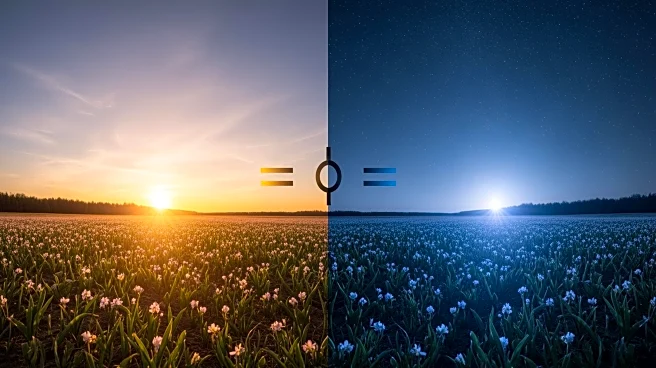
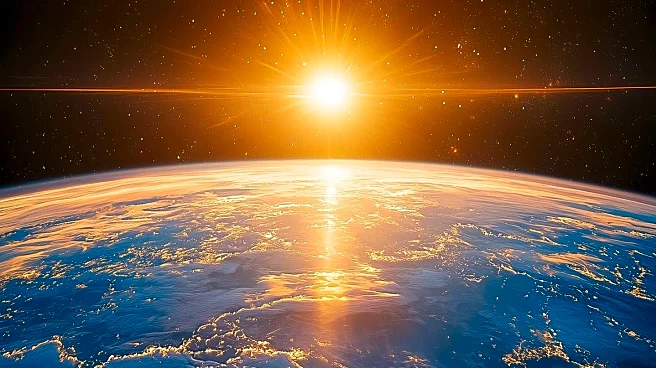
The vernal equinox, marking the official start of spring in the Northern Hemisphere, occurs on March 20, 2026. During this time, the sun is directly overhead at the equator, resulting in nearly equal day and night lengths across the globe. This astronomical
event is celebrated worldwide, with various cultural and historical significance. In Japan, it is a public holiday, while in Mexico, people gather at Chichen Itza to observe the sun's shadow creating a serpent-like pattern on the El Castillo pyramid.
Why It's Important?
The vernal equinox signifies a change in seasons, impacting agriculture, wildlife, and human activities. It marks the beginning of longer days and warmer temperatures in the Northern Hemisphere, which can influence planting schedules and ecological cycles. Understanding the equinox and its effects on the environment is crucial for planning and adapting to seasonal changes.
What's Next?
Following the vernal equinox, the Northern Hemisphere will experience gradually longer days until the summer solstice in June. This period of increasing daylight can affect energy consumption, outdoor activities, and tourism. As the climate continues to change, monitoring these seasonal shifts will be important for understanding their broader implications on ecosystems and human societies.