
What's Happening?
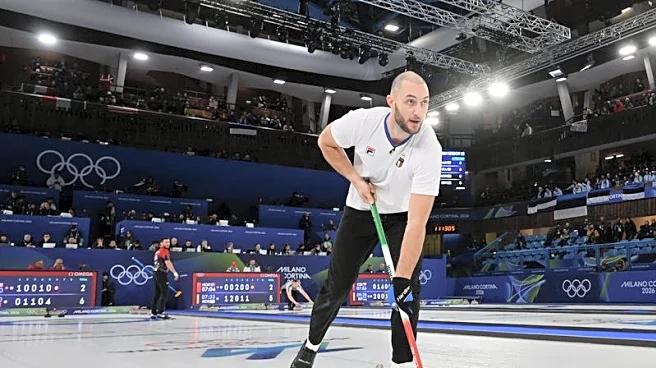
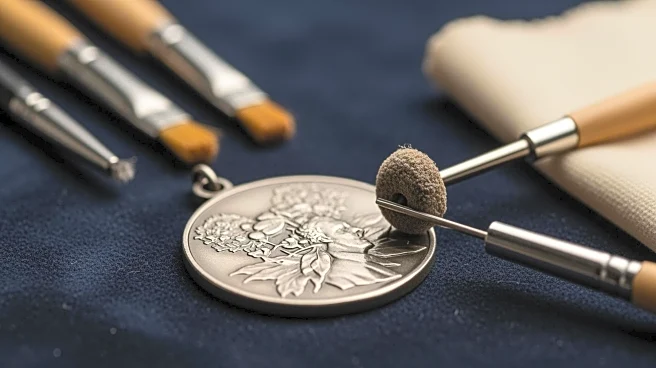
During the Milano Cortina 2026 Olympic Winter Games, several athletes reported issues with their medals, prompting the Milan Cortina Olympic organizers to announce that Italy's national mint will repair
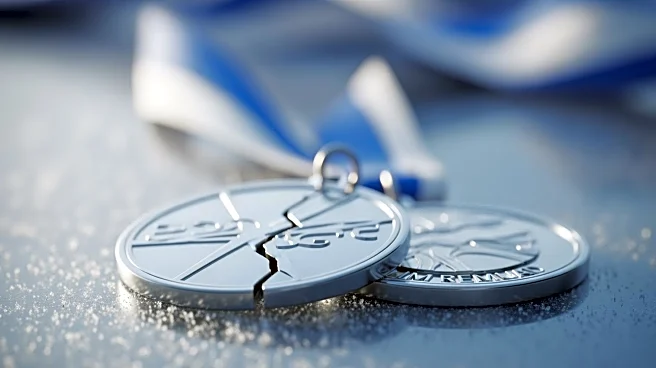
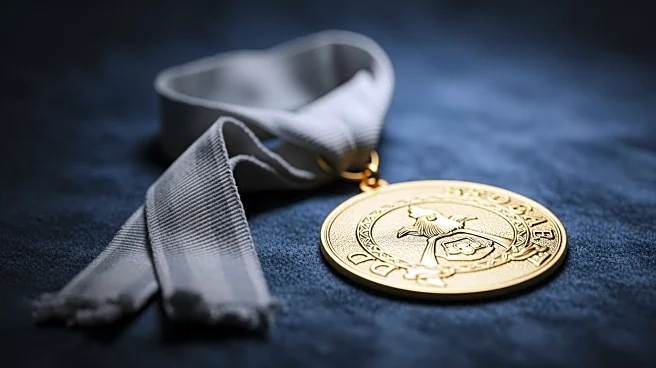
any faulty medal fixings. The problems, which involve ribbons and clasps rather than the medal designs themselves, were highlighted by athletes such as American skier Breezy Johnson, who experienced a cracked and chipped gold medal. The organizing committee, led by spokesman Luca Casassa, has coordinated with Rome's Zecca dello Stato, the producer of the medals, to address these issues. Athletes are encouraged to return their damaged medals for immediate repair. The organizing committee has emphasized the importance of ensuring that medals, which represent the pinnacle of athletic achievement, are in perfect condition when awarded.
Why It's Important?
The integrity of Olympic medals is crucial as they symbolize the culmination of years of hard work and dedication by athletes. Ensuring that these symbols of achievement are flawless is essential for maintaining the prestige and honor associated with the Olympic Games. The swift response by the Milan Cortina organizing committee underscores the importance of athlete satisfaction and the reputation of the Games. This incident also highlights the logistical challenges and responsibilities involved in hosting a major international event, where even minor issues can have significant implications for the event's success and the host country's image.
What's Next?
The organizing committee will continue to monitor the situation and ensure that all affected athletes receive repaired medals promptly. This proactive approach may involve further quality checks on remaining medals to prevent similar issues. The incident may also prompt future Olympic hosts to implement more rigorous quality control measures for medal production. Additionally, the response from athletes and the public will likely influence how the organizing committee addresses any future concerns, potentially leading to improved communication and contingency planning for upcoming events.