






What's Happening?
The University of Michigan Consumer Sentiment Index has reported a significant drop in U.S. consumer confidence, reaching a record low of 47.6. This decline is attributed to rising gas prices and inflation concerns, exacerbated by the ongoing conflict
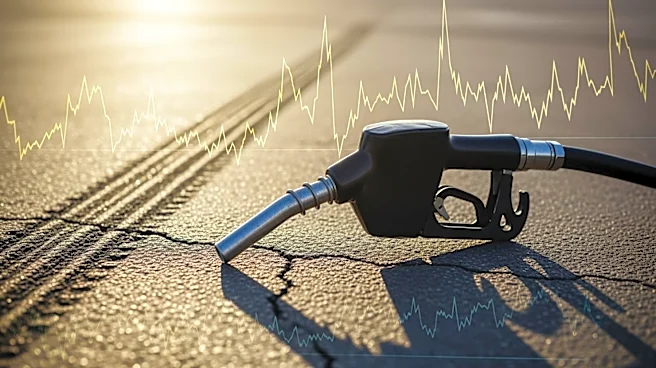
in Iran. The index's current level is the lowest in its 74-year history, even surpassing the lows experienced during the 2008 financial crisis and the 1980s inflationary period. The drop in consumer confidence is widespread, affecting all age groups, income levels, and political affiliations. Goldman Sachs strategist Ronnie Walker has warned of a challenging year ahead for consumer spending, predicting weak real consumption growth in the coming months. The increase in gasoline prices, which have risen by nearly 40% since the conflict began, is expected to significantly impact household incomes, particularly for lower-income households.
Why It's Important?
The decline in consumer confidence and the rise in gas prices have significant implications for the U.S. economy. As consumer spending accounts for a substantial portion of economic activity, a decrease in confidence and spending could slow economic growth. The impact is particularly severe for lower-income households, who spend a larger share of their income on gasoline. This situation could lead to increased financial strain and reduced discretionary spending, affecting various sectors, including retail and hospitality. Additionally, the inflationary pressures from rising fuel costs could lead to higher prices for goods and services, further straining household budgets and potentially prompting policy responses from the government or Federal Reserve.
What's Next?
If the conflict in Iran continues to affect global oil supply, gas prices may remain high, further impacting consumer confidence and spending. Policymakers may need to consider measures to alleviate the financial burden on households, such as temporary tax relief or subsidies. Businesses may also need to adjust their strategies to cope with changing consumer behavior and potential shifts in demand. Monitoring the situation closely will be crucial for stakeholders to anticipate and respond to these economic challenges.