








What's Happening?
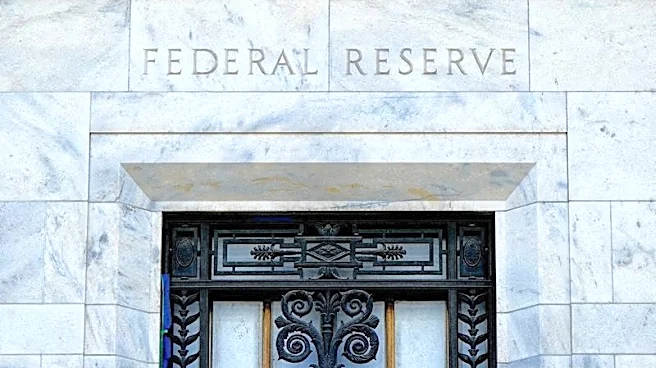
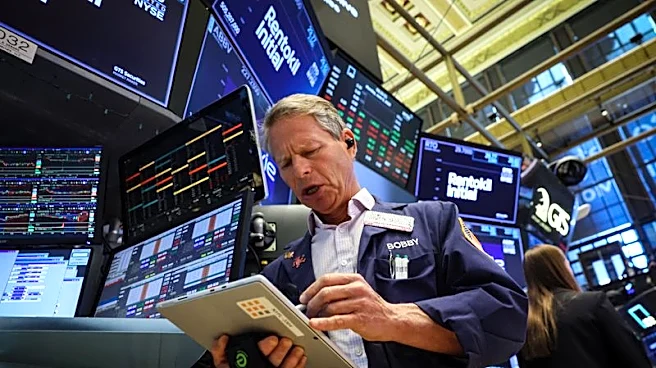
Gold prices steadied on Monday as the potential for an Israel-Iran ceasefire helped the metal recover from session lows, despite strong U.S. jobs data boosting expectations of a Federal Reserve rate hike. Spot gold was stable at $4,334.22 per ounce, after
reaching its lowest level since March. President Trump announced that both Israel and Iran were considering an immediate ceasefire, which eased some geopolitical tensions. However, the strong U.S. jobs report has increased the likelihood of a rate hike by the end of the year, limiting gold's upside potential.
Why It's Important?
The potential ceasefire between Israel and Iran could reduce geopolitical risks, impacting global markets and commodity prices. Gold, traditionally a safe-haven asset during conflicts, may see reduced demand if peace is achieved, affecting its price. Conversely, strong U.S. economic data, particularly employment figures, suggest a robust economy, increasing the probability of interest rate hikes. Higher rates typically weigh on non-yielding assets like gold, as they become less attractive compared to interest-bearing investments. The interplay between geopolitical developments and economic indicators will continue to influence gold market dynamics.
What's Next?
Investors are closely watching upcoming U.S. economic data releases, including the Consumer Price Index and Producer Price Index, for further clues on inflation trends and the Federal Reserve's policy direction. The geopolitical situation in the Middle East remains uncertain, with any changes potentially impacting global markets. Traders will also monitor the U.S. dollar's performance, as a stronger dollar makes commodities priced in dollars more expensive for holders of other currencies, influencing gold demand.