


What's Happening?
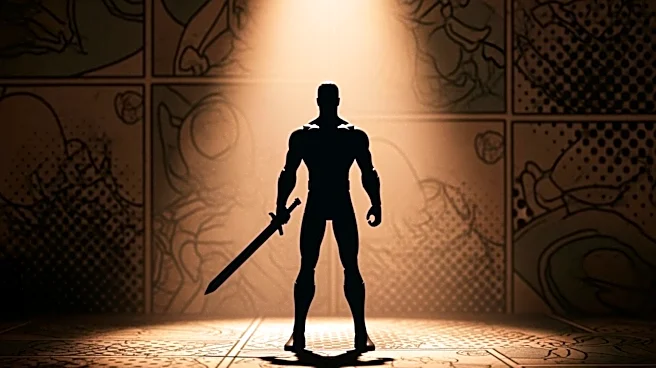
Mattel is strategically targeting Generation X to rejuvenate interest in the 'Masters of the Universe' franchise, with a new movie set to release in U.S. theaters on June 5. Jess Kirkman, Global Head of Brand Creative at Mattel, highlighted the importance
of the original fan base from the 1980s, known for their loyalty to the He-Man era. The company aims to bridge the generational gap by introducing these iconic characters to a younger audience through storytelling, before transitioning them to the toy line. This approach follows the successful model seen with the Barbie franchise, which demonstrated the potential of legacy toy brands in cinema. The film stars Nicholas Galitzine as He-Man, alongside a cast including Camila Mendes and Alison Brie. Unlike many toy lines from the 80s and 90s that originated from TV shows, 'Masters of the Universe' began as a toy line, which later expanded into comics and a television series.
Why It's Important?
The revival of 'Masters of the Universe' underscores a broader trend in the entertainment industry where legacy brands are being revitalized to capture both nostalgic audiences and new generations. This strategy not only aims to boost toy sales but also to expand the franchise's cultural footprint through multimedia storytelling. By engaging Gen X, who are now parents, Mattel hopes to create a multi-generational appeal that can sustain the brand's relevance. This move could significantly impact Mattel's market position, as successful cross-generational marketing can lead to increased sales and brand loyalty. Additionally, the film's success could influence other toy companies to explore similar strategies, potentially reshaping the landscape of toy-based entertainment.
What's Next?
Following the film's release, Mattel will likely monitor its performance closely to gauge the effectiveness of their strategy. If successful, this could lead to further expansions of the 'Masters of the Universe' universe, including sequels, spin-offs, and new toy lines. The company may also explore additional marketing campaigns targeting both nostalgic and new audiences. Industry observers will be watching to see if this approach can be replicated with other legacy brands, potentially leading to a resurgence of 80s and 90s franchises in modern pop culture.