
What's Happening?
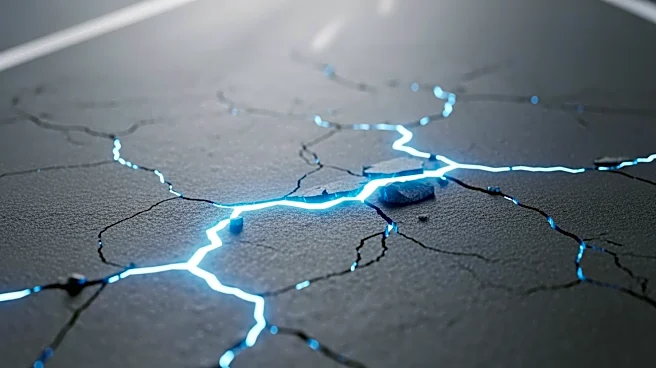
Engineers are exploring 'self-healing' infrastructure systems to address the challenges posed by America's aging roads and bridges. These systems utilize materials capable of autonomously repairing microcracks,
thereby extending the lifespan of infrastructure. The concept is moving from laboratory research to pilot projects, with materials like self-healing concrete and asphalt being tested. This approach aims to mitigate the effects of extreme weather, corrosion, and load stress, which are exacerbated by deferred maintenance and funding constraints.
Why It's Important?
The development of self-healing infrastructure could revolutionize the maintenance and longevity of roads and bridges across the U.S. By reducing the need for frequent repairs, these materials can lower long-term costs and improve safety. This technology has the potential to address the backlog of infrastructure upgrades and maintenance, providing a proactive solution to the nation's infrastructure challenges. The economic benefits include reduced emergency repair costs and a decreased carbon footprint associated with construction activities.
What's Next?
The global market for self-healing materials is expanding rapidly, with significant growth projected over the next decade. Researchers and public agencies are testing these materials in real-world conditions to validate their effectiveness. The integration of self-healing infrastructure into smart city ecosystems could further enhance its benefits, allowing for real-time monitoring and automated repair processes. However, challenges remain in terms of technology maturation, integration with existing infrastructure, and upfront costs.