






What's Happening?
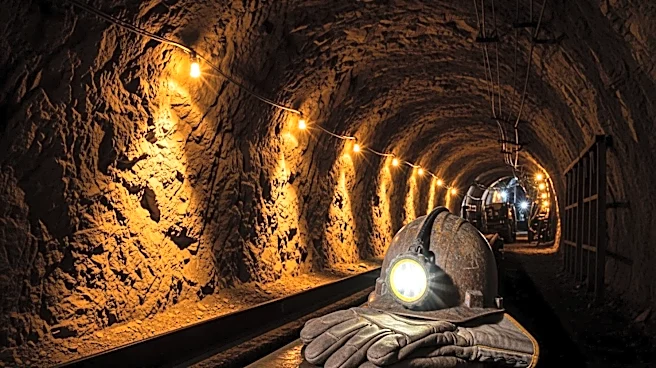
The mining industry is recognized as one of the most hazardous occupations globally, with significant health risks and physical dangers. According to the United Nations Global Compact, workplace-related deaths in mining exceed those from road accidents,
war, violence, and HIV/AIDS. The Lloyd’s Register Foundation World Risk Poll 2024 Report highlights that mining and quarrying have the third-highest prevalence of workplace harm, with 21% of workers experiencing harm in the past two years. Despite these risks, the industry plays a crucial role in the global energy transition, necessitating increased operations to meet rising demands. Industry leaders emphasize the importance of safety, advocating for shared knowledge and best practices to elevate safety standards worldwide.
Why It's Important?
The safety challenges in the mining industry have significant implications for the global energy transition, as mining is essential for resource extraction and processing. The industry's inherent dangers pose risks not only to workers but also to operational efficiency and sustainability. As mining operations expand, ensuring safety becomes a priority to prevent accidents and fatalities. The industry's ability to maintain high safety standards is crucial for its reputation and for meeting the increasing demand for resources. Companies that prioritize safety can reduce operational risks, improve workforce morale, and enhance productivity, ultimately contributing to a more sustainable and responsible mining sector.
What's Next?
The mining industry is expected to continue its focus on improving safety standards through innovation and collaboration. Companies are likely to adopt new technologies and strategies to enhance visibility and communication across operations. The integration of health and safety measures, including mental health support, will be crucial in addressing the evolving risks associated with complex workforce structures. Industry stakeholders may also push for regulatory changes to enforce stricter safety protocols and encourage proactive risk management. As awareness of safety issues grows, mining companies will need to demonstrate their commitment to protecting workers and minimizing environmental impact.
Beyond the Headlines
The emphasis on safety in the mining industry highlights broader ethical and cultural shifts towards prioritizing worker well-being and sustainable practices. The industry's move towards performance-based safety models reflects a growing recognition of the importance of engagement and psychological safety. By fostering a culture of openness and support, mining companies can address psychosocial risks and encourage workers to voice concerns. This cultural shift is essential for preventing incidents and promoting a safer, more inclusive work environment. As the industry evolves, the focus on safety and sustainability will likely influence public perception and investor confidence.