


What's Happening?
Intel has announced that it will continue the production of its 14th-generation Raptor Lake Refresh CPUs and the LGA 1700/700-series motherboard platform. This decision ensures the continued availability of these components for desktop builders, even
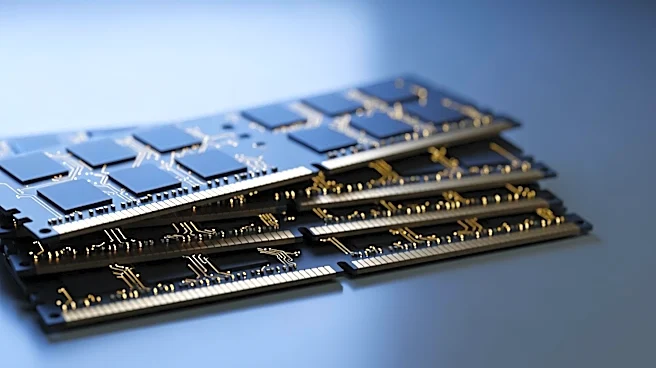
as Intel transitions to its next-generation Arrow Lake processors. The Raptor Lake Refresh CPUs support both DDR4 and DDR5 memory, providing users with a cost-effective entry point and a clear upgrade path to DDR5. Intel's Vice President and General Manager of Client Segment Technical Marketing, Robert Hallock, emphasized the company's commitment to Raptor Lake, stating that it will remain abundantly available. The decision comes amid volatile memory pricing, making DDR4 a more affordable option for consumers.
Why It's Important?
The continuation of Raptor Lake Refresh production is significant for the PC building community, as it provides a stable and affordable option during a time of fluctuating memory prices. By supporting both DDR4 and DDR5, Intel offers flexibility to consumers who may not be ready to invest in the more expensive DDR5 memory. This move also positions Intel to maintain its market share against competitors like AMD, which rely on different socket technologies. The decision reflects Intel's strategy to cater to a broad range of consumers, from budget-conscious builders to those seeking high-performance systems.
What's Next?
As Intel transitions to Arrow Lake, the company will likely focus on promoting the benefits of its new generation of processors while ensuring a smooth transition for consumers still using Raptor Lake. The continued support for DDR4 and DDR5 may lead to more versatile motherboard options from manufacturers, providing consumers with greater choice. Intel's strategy may also influence competitors to offer similar flexibility in their product lines, potentially leading to a more competitive market landscape.