








What's Happening?
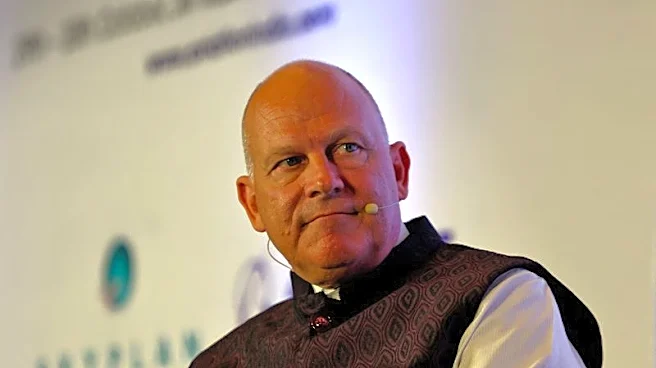
At the Aviation Festival Americas conference in Miami, airline executives expressed skepticism about sustainable aviation fuel (SAF) as a short-term solution for achieving net-zero carbon emissions by 2050. Breeze Airways CEO David Neeleman criticized
the high costs and limited supply of SAF, suggesting it could lead to job losses if airlines fully adopt it. WestJet CEO Alexis von Hoensbroech echoed these concerns, questioning whether production capacity and infrastructure could meet EU mandates. Executives highlighted operational improvements and technology upgrades as more immediate ways to reduce emissions without altering the fuel supply chain.
Why It's Important?
The aviation industry's reliance on SAF as a primary sustainability pathway is being reconsidered due to economic and logistical challenges. The high cost and limited availability of SAF pose significant barriers to widespread adoption, potentially impacting airline operations and employment. The industry's shift towards operational efficiencies and technological advancements reflects a pragmatic approach to reducing emissions. This reassessment of SAF's role could influence future regulatory frameworks and investment strategies in the aviation sector. The industry's ability to balance sustainability goals with economic viability will be crucial in shaping its long-term trajectory.
What's Next?
Airlines are likely to focus on enhancing operational efficiencies and exploring alternative technologies to reduce emissions. The industry may advocate for regulatory adjustments to support a more balanced approach to sustainability. Stakeholders will continue to evaluate the feasibility of SAF and other emerging technologies, such as electrification, in achieving environmental targets. The ongoing dialogue between airlines, regulators, and technology providers will be essential in developing a sustainable aviation strategy that aligns with economic realities.