



What's Happening?
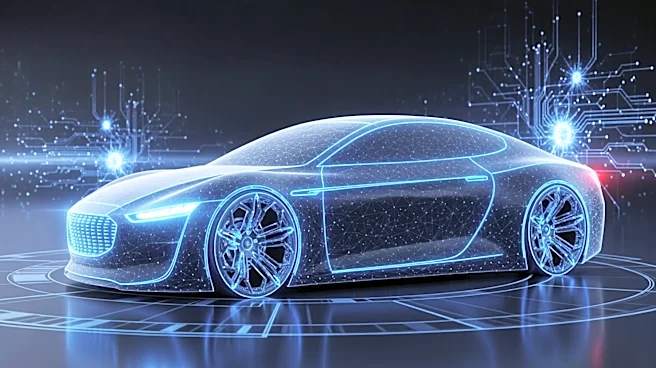
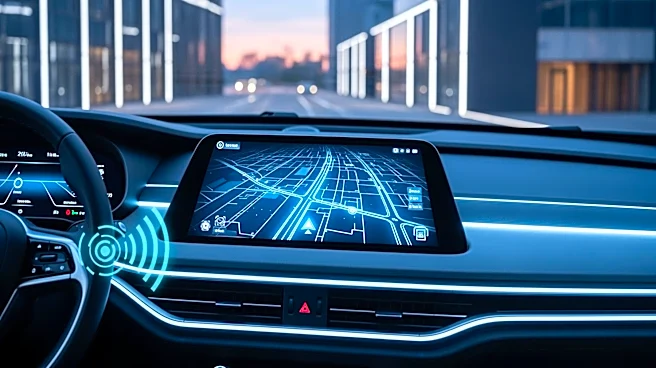
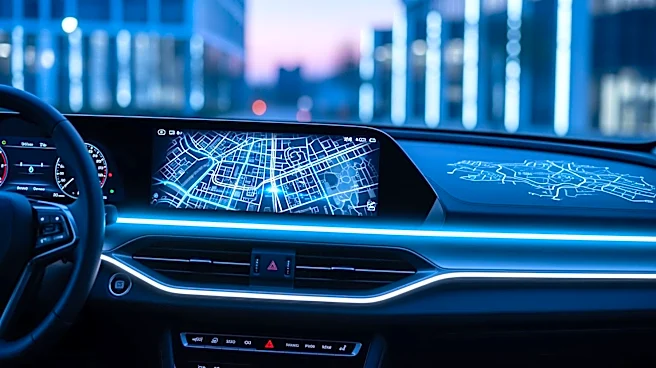
Nissan has announced a strategic shift towards integrating artificial intelligence (AI) into its vehicle lineup as part of its 'Mobility Intelligence for Everyday Life' initiative. This move is aimed at enhancing vehicle safety and autonomous driving
capabilities. The company plans to incorporate AI-driven intelligence into 90% of its vehicles, marking a significant step in its long-term business strategy. Nissan President and CEO Ivan Espinosa emphasized the importance of this transition, highlighting the company's focus on customer experience and the delivery of advanced, reliable products. The initiative will leverage existing technologies such as Nissan AI Drive Technology and Nissan AI Partner technology, with collaborations with companies like Wayve and Monolith. The first product from this collaboration, the Nissan Elgrand, is expected to feature next-generation lidar technology and autonomous driving capabilities by the end of the 2027 fiscal year.
Why It's Important?
This strategic pivot is crucial for Nissan as it navigates a competitive automotive landscape, particularly with increasing competition from Chinese automakers and regulatory challenges in Europe and North America. By focusing on AI, Nissan aims to regain its competitive edge in the market, especially in the realm of driver-assist technologies where it once led but has since fallen behind. The integration of AI is expected to enhance the company's product offerings, potentially leading to increased market share and consumer interest. Additionally, the development of autonomous driving technologies aligns with industry trends towards personal and commercial autonomous vehicle applications, positioning Nissan to capitalize on future market demands.
What's Next?
Nissan's collaboration with Wayve and Monolith is set to bring the Nissan Elgrand to market with advanced autonomous features by 2027. This development is part of a broader industry trend towards increased driver-assist technologies and autonomous driving applications. As Nissan continues to roll out AI-driven features, it will need to effectively communicate these advancements to consumers to ensure market adoption. The company's ability to innovate and market these technologies will be critical in maintaining competitiveness and achieving its long-term strategic goals.