





What's Happening?
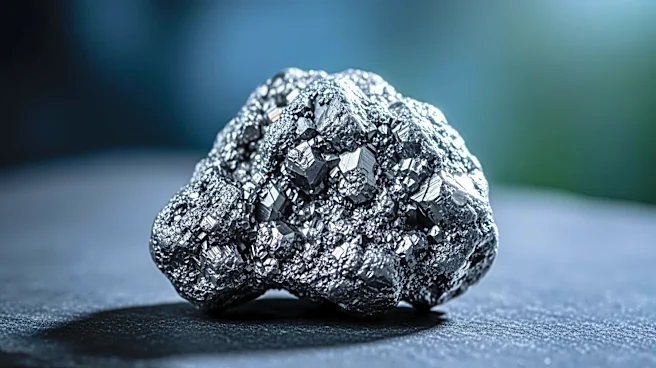
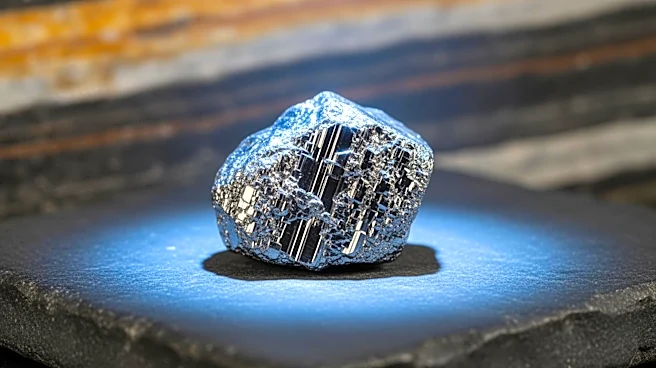
The American company USA Rare Earths has acquired the only active rare earth mine in Brazil from the domestic mining company Sera Verde, located in Minas Gerais. This acquisition, valued at $2.8 billion, marks a significant move in the global rare earth metals
market, which is crucial for the production of high-performance magnets used in wind turbines and electric vehicles. The mine is notable for being the only one outside of Asia that supplies all four magnetic rare earth elements in large quantities. This development comes as demand for rare earth metals, essential for electric vehicles, artificial intelligence data centers, and robotics, has doubled since 2015 and is expected to grow by more than 30% by 2030. Brazil, with its vast reserves of rare earth metals, is positioning itself as a key player in this market, alongside China.
Why It's Important?
The acquisition by USA Rare Earths is significant as it diversifies the supply chain for rare earth metals, which are critical for various high-tech industries. Currently, China dominates the global market, controlling over 90% of the refining of these materials. The U.S. move to secure a stable supply from Brazil could reduce dependency on Chinese exports, which have previously been subject to export controls and tariffs, impacting global supply chains. This strategic acquisition aligns with broader efforts to secure critical minerals necessary for technological advancements and the transition to renewable energy sources. The involvement of U.S. companies in Brazil's mining sector also reflects a growing interest in tapping into Brazil's rich natural resources, which could have long-term economic implications for both countries.
What's Next?
With the acquisition, USA Rare Earths is expected to enhance its production capabilities and potentially expand its market share in the rare earth metals industry. The Brazilian government may see increased foreign investment in its mining sector, prompting further development of its infrastructure and regulatory frameworks to support sustainable mining practices. Additionally, other countries with significant rare earth deposits, such as India and Vietnam, may follow Brazil's lead in developing their own production chains to reduce reliance on Chinese exports. This could lead to a more diversified and competitive global market for rare earth metals, impacting pricing and availability for industries reliant on these materials.
Beyond the Headlines
The acquisition highlights the geopolitical dimensions of resource control, as countries vie for access to critical minerals that underpin modern technology and energy solutions. The environmental impact of mining operations, particularly in ecologically sensitive areas, remains a concern. Brazil's use of renewable energy in mining operations presents a model for sustainable practices that could be adopted globally. Furthermore, the development of local processing capabilities in Brazil could create jobs and stimulate economic growth, potentially reducing the country's historical reliance on raw material exports.