



What's Happening?
At the Shoptalk 2026 conference in Las Vegas, representatives from Target, Glossier, and Simon Property Group discussed the evolving role of physical retail spaces in the age of artificial intelligence. The panel, moderated by Simeon Siegel of Guggenheim
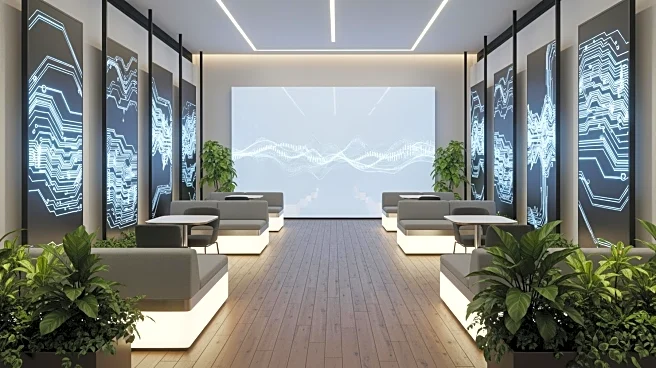
Securities, highlighted a shift from traditional transactional models to creating community hubs and cultural stages. Cephas Williams Jr from Target, Emily Lewis from Glossier, and Lee Sterling of Simon Property Group emphasized the importance of connection over mere transactions. Glossier, for instance, has designed its stores to be immersive environments that foster social interactions, while Target is focusing on making its stores community spaces with regular events. Simon Property Group views malls as modern town squares, emphasizing engagement and community over simple retail transactions.
Why It's Important?
This shift in retail strategy reflects broader societal changes, particularly among younger generations who value experiences and community over traditional shopping. As AI and e-commerce continue to grow, physical stores are redefining their purpose to offer something digital platforms cannot: human connection and community. This transformation could significantly impact retail business models, with potential benefits for brands that successfully create engaging, community-focused environments. Retailers that adapt to these changes may see increased customer loyalty and foot traffic, while those that do not may struggle to compete in an increasingly digital marketplace.
What's Next?
Retailers are likely to continue experimenting with store formats and community-focused strategies. Target plans to host events every Saturday in all its stores, aiming to create local experiences nationwide. This approach could lead to increased collaboration between brands and landlords to create engaging environments that draw in customers. As AI continues to influence retail, the focus will likely remain on balancing technological convenience with the human element of shopping, potentially leading to new innovations in store design and customer engagement strategies.
Beyond the Headlines
The transformation of retail spaces into social hubs raises questions about the future of urban planning and community development. As stores become more like community centers, they could play a larger role in local economies and social structures. This shift may also influence how cities are designed, with retail spaces becoming integral parts of community infrastructure. Additionally, the emphasis on creating emotional connections with customers could lead to new marketing strategies that prioritize authenticity and community engagement over traditional advertising methods.