




What's Happening?
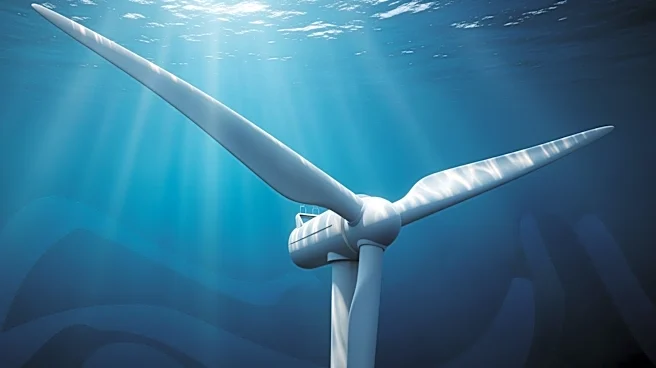
Econowind, a Dutch company specializing in wind-assisted ship propulsion, has announced its entry into the deepsea market with the introduction of its new 5-series VentoFoil. This larger steel suction wing system is designed for oceangoing vessels and
was unveiled in Heeg. The 30-meter model builds on the principles of Econowind's successful 3-series wing. The 5-series is aimed at deepsea vessel owners and operators seeking to reduce fuel consumption and enhance regulatory compliance. Having already sold over 150 suction wings for various vessel types, Econowind is now targeting larger vessels and longer trading routes, where the benefits of wind-assisted propulsion are more pronounced. The first 5-series unit is set to be installed on a Boomsma Shipping vessel this summer, marking its commercial debut. To support this expansion, Econowind is organizing production in the Far East, aligning with major shipbuilding hubs to facilitate integration into newbuild projects.
Why It's Important?
The launch of the 5-series VentoFoil by Econowind represents a significant advancement in sustainable maritime technology. As the shipping industry faces increasing pressure to reduce carbon emissions and comply with stricter environmental regulations, innovations like the VentoFoil offer practical solutions for reducing fuel consumption. This development could lead to substantial cost savings for shipping companies and contribute to global efforts to combat climate change. By moving production closer to major shipbuilding regions, Econowind is strategically positioning itself to meet the growing demand for eco-friendly shipping solutions. This expansion not only enhances Econowind's market presence but also supports the broader transition towards greener maritime operations.
What's Next?
Econowind's strategic move into the deepsea market with the 5-series VentoFoil is likely to influence other companies in the maritime industry to explore similar sustainable technologies. As the first 5-series unit is installed and tested, its performance will be closely monitored by industry stakeholders. Successful implementation could lead to increased adoption of wind-assisted propulsion systems across the shipping sector. Additionally, Econowind's decision to establish production facilities in the Far East may encourage other companies to localize manufacturing to better serve global markets. The outcome of these developments could shape future trends in shipbuilding and maritime logistics.