
What's Happening?
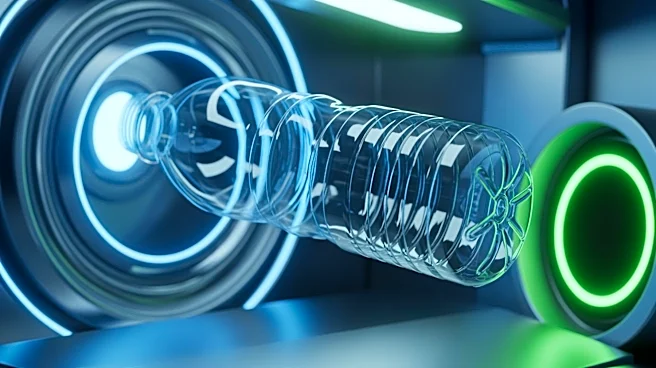
Recent advancements in recycling technology have introduced compatibilizers to facilitate the recycling of plastic water bottles. These additives blend incompatible polymers, improving their physical properties and enabling the recycling of mixed plastics
like poly (ethylene terephthalate) (PET) and high-density polyethylene (HDPE) without the need for sorting. This method not only reduces costs but also enhances the potential for 3D printing recycled materials, further promoting environmental sustainability. The study focused on the recycling of water bottles, which are composed of PET and HDPE, by mixing them together at a 90/10 weight percentage. The use of compatibilizers, such as styrene-ethylene/butylene (SEBS) and maleated SEBS cirKular+ c1010, was investigated to improve the physical properties of the recycled blends. The results showed significant improvements in tensile strength and impact strength, as well as elongation at break, compared to conventional methods.
Why It's Important?
The introduction of compatibilizers in plastic recycling represents a significant step forward in addressing the global challenge of plastic waste. By enabling the recycling of mixed plastics without the need for sorting, this technology can reduce the costs and inefficiencies associated with conventional recycling processes. This advancement not only supports environmental sustainability but also opens up new opportunities for the use of recycled materials in 3D printing, potentially transforming the manufacturing industry. The ability to recycle complex plastic blends could lead to increased demand for recycled materials, benefiting industries focused on sustainable practices and reducing reliance on virgin plastics.