
What's Happening?
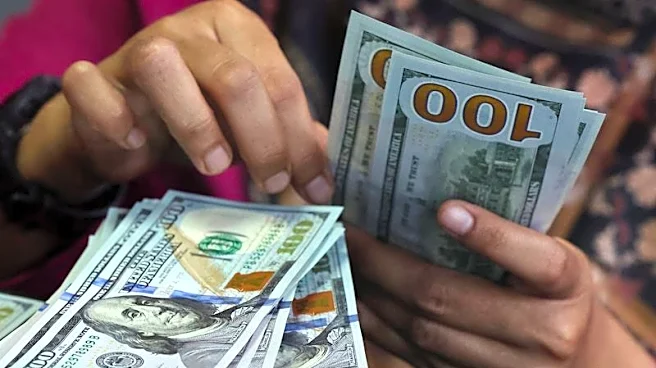
The U.S. dollar experienced a decline as hopes for a potential peace deal in the Middle East overshadowed expectations of higher U.S. interest rates. The dollar index, which measures the greenback against
a basket of currencies, fell by 0.24% to 99.77. This decline comes after the index reached its highest level since April 6. The potential deal involves reopening the Strait of Hormuz, which could ease oil prices and reduce energy shocks. Meanwhile, U.S. Treasury yields surged following data showing a significant increase in U.S. employment in May, reinforcing expectations of a Federal Reserve rate hike later in the year. Investors are closely monitoring upcoming U.S. inflation data for further insights into the Fed's next moves.
Why It's Important?
The fluctuation in the U.S. dollar and interest rate expectations have significant implications for global markets and the U.S. economy. A weaker dollar can impact international trade by making U.S. exports more competitive, while also affecting import prices. The potential peace deal in the Middle East could stabilize oil prices, benefiting global economic stability. However, persistent inflationary pressures and the possibility of further rate hikes by the Federal Reserve could lead to increased borrowing costs, affecting consumer spending and business investments. The situation highlights the delicate balance between geopolitical developments and monetary policy in shaping economic outcomes.
What's Next?
Investors are awaiting the release of U.S. inflation data, which will provide further clues on the Federal Reserve's monetary policy direction. A higher-than-expected inflation reading could increase the likelihood of a rate hike, impacting financial markets and economic growth. Additionally, developments in the Middle East peace negotiations will be closely watched, as a successful deal could lead to a more stable geopolitical environment and influence global oil markets. The European Central Bank's upcoming policy meeting is also a focal point, with expectations of a rate hike that could affect the euro's strength against the dollar.