






What's Happening?
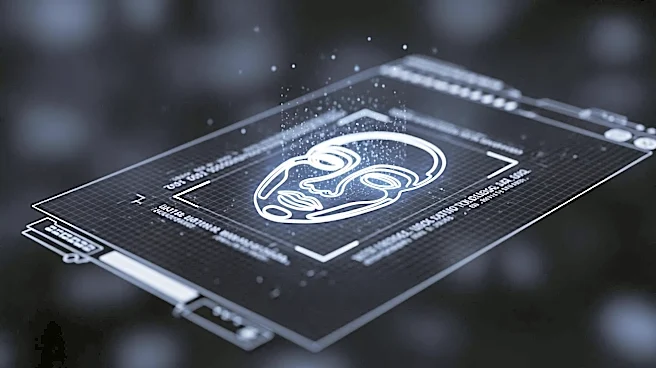
YouTube has announced the expansion of its AI likeness detection technology to include celebrities, aiming to protect them from unauthorized use of their images in AI-generated content such as deepfakes. This technology, similar to YouTube's Content ID
system, allows rights owners to manage their likenesses by requesting removal or sharing in revenue from videos using their image. Initially piloted with a select group of creators, the tool is now available to talent agencies and management companies, with support from major agencies like CAA and WME. The expansion reflects YouTube's commitment to safeguarding public figures' identities in the digital age.
Why It's Important?
The expansion of AI likeness detection technology is significant in the fight against digital impersonation and privacy violations. As deepfake technology becomes more sophisticated, the risk of misuse increases, particularly for public figures whose images are frequently targeted. By providing a tool to manage and protect their likenesses, YouTube is addressing a critical need for privacy and security in the entertainment industry. This move also sets a precedent for other platforms to implement similar protections, potentially influencing broader regulatory measures to combat unauthorized AI-generated content.
What's Next?
YouTube plans to extend the technology to include audio detection, further enhancing its ability to protect against unauthorized recreations of voices. Additionally, the company is advocating for the NO FAKES Act in Washington D.C., which seeks to regulate the use of AI in creating unauthorized likenesses. These efforts indicate a proactive approach to addressing the challenges posed by AI in digital media, with potential implications for future legislation and industry standards.