







What's Happening?
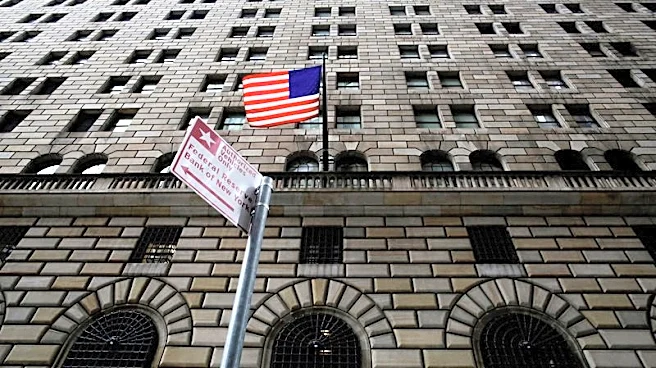
The U.S. Federal Reserve is anticipated to keep its key interest rate steady for the remainder of 2026, as indicated by a Reuters poll of economists. Approximately 70% of the surveyed economists predict that the rate will remain within the current range
of 3.50%-3.75%. This decision is largely influenced by ongoing inflationary pressures, which have been exacerbated by geopolitical tensions, particularly in the Middle East. The inflation rate has surged to nearly double the Fed's target of 2%, with the Personal Consumption Expenditures Price Index reaching 3.8% year-on-year in April. Despite these pressures, economic activity remains stable, and the Federal Open Market Committee (FOMC) members have suggested the possibility of a rate increase later in the year.
Why It's Important?
The decision to maintain interest rates is significant as it reflects the Federal Reserve's cautious approach in managing inflation without stifling economic growth. The persistent inflation, driven by external factors such as energy shocks from Middle East conflicts, poses a challenge to the Fed's monetary policy. The stability of interest rates is crucial for businesses and consumers, as it influences borrowing costs and investment decisions. A potential rate hike could impact sectors reliant on low borrowing costs, such as housing and consumer goods. Additionally, the Fed's stance signals its focus on long-term economic stability over short-term inflationary pressures.
What's Next?
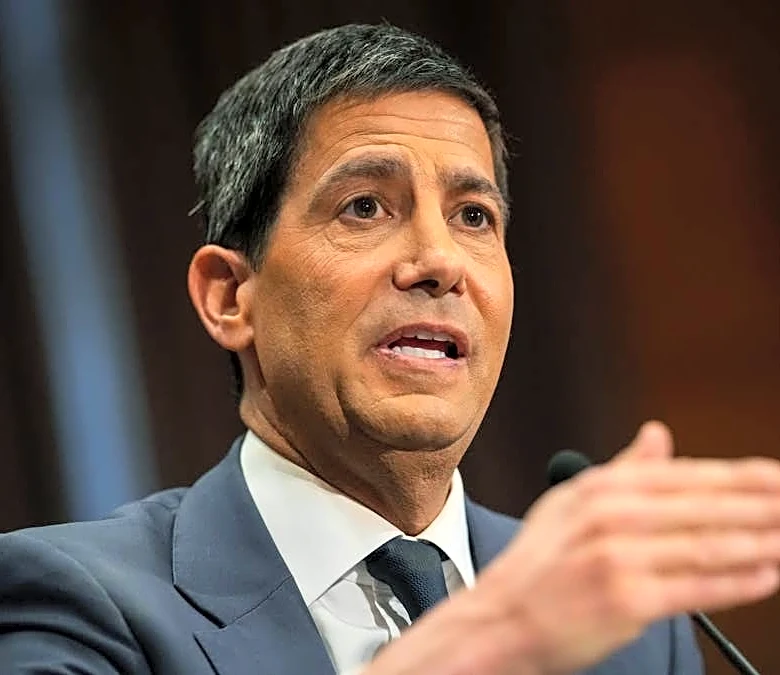
Looking ahead, the Federal Reserve's policy decisions will be closely monitored, especially with the upcoming FOMC meeting on June 16-17, which will be the first under the new Fed Chairman Kevin Warsh. Economists do not expect a rate cut at this meeting, but the Fed's updated quarterly forecasts may provide insights into future rate adjustments. The ongoing geopolitical tensions and their impact on energy prices will continue to be a critical factor in the Fed's decision-making process. Stakeholders, including businesses and policymakers, will need to adapt to the Fed's cautious approach and prepare for potential rate hikes if inflationary pressures persist.