





What's Happening?
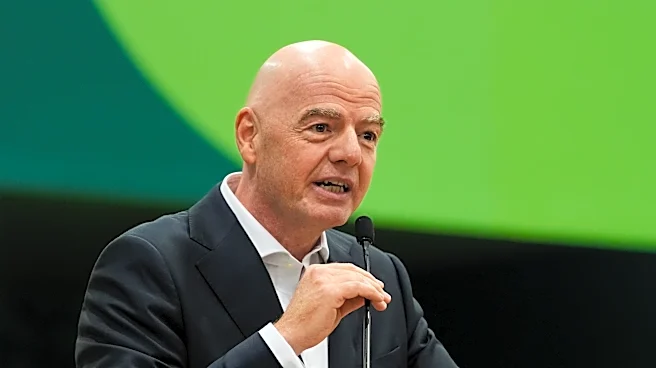
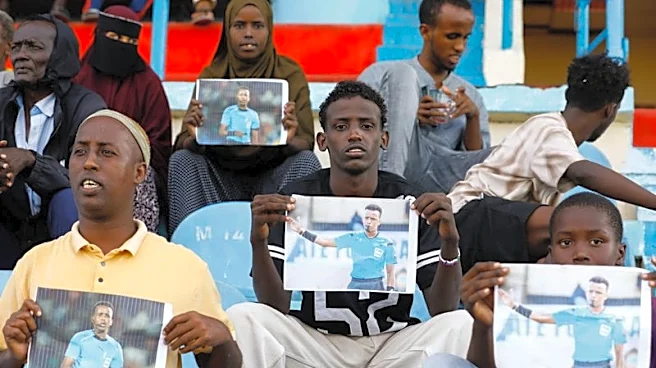
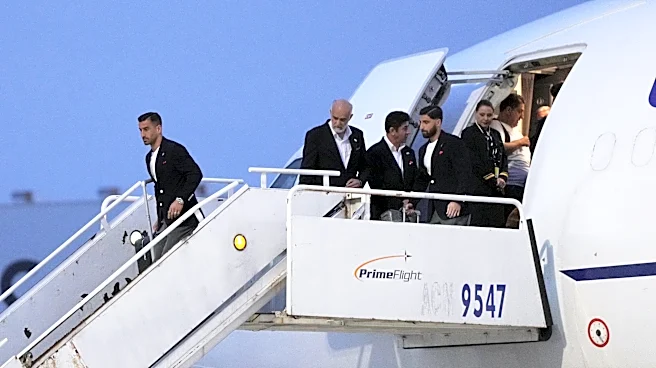
The 2026 FIFA World Cup, hosted by the U.S., is facing challenges due to restrictive immigration policies under President Trump's administration. Several participants, including referees and team staff from countries like Somalia and Iraq, have been denied
entry into the U.S. due to visa issues. These policies have also affected fans from countries such as Morocco, who have been denied travel visas despite holding tickets. The situation has raised concerns about the inclusivity of the event, with critics arguing that the immigration policies are turning the World Cup into an event of exclusion rather than inclusion.
Why It's Important?
The immigration policies could significantly impact the success and global perception of the 2026 World Cup. The denial of entry to key participants and fans may lead to logistical challenges and diminish the event's international appeal. This situation highlights the tension between national security measures and the spirit of global sporting events, which aim to foster international unity and cultural exchange. The policies may also affect the U.S.'s reputation as a host nation and its diplomatic relations with affected countries.
What's Next?
FIFA and the U.S. government may need to address these immigration challenges to ensure the smooth execution of the World Cup. This could involve diplomatic negotiations to facilitate the entry of participants and fans. The situation may also prompt discussions on balancing security concerns with the need for inclusivity in international events. Stakeholders, including international sports organizations and human rights groups, may advocate for policy changes to prevent similar issues in future events.