
What's Happening?
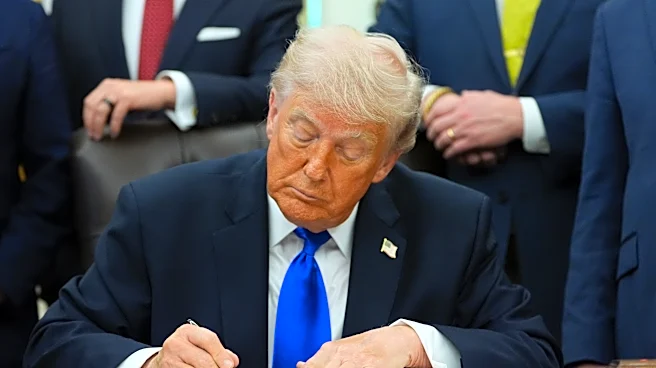
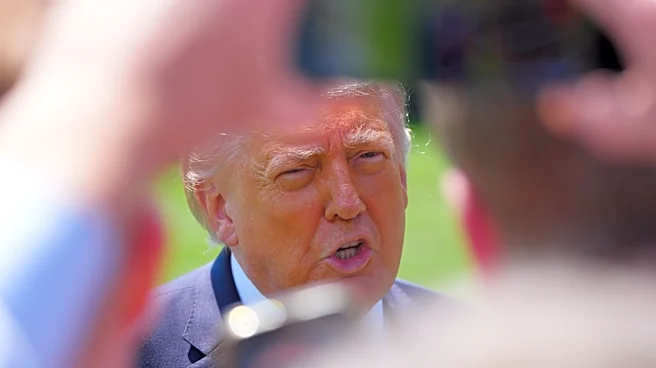
President Trump announced plans to increase tariffs on vehicles imported from the European Union from 15% to 25%, citing the EU's non-compliance with a trade deal. The deal, agreed upon in July 2025, set
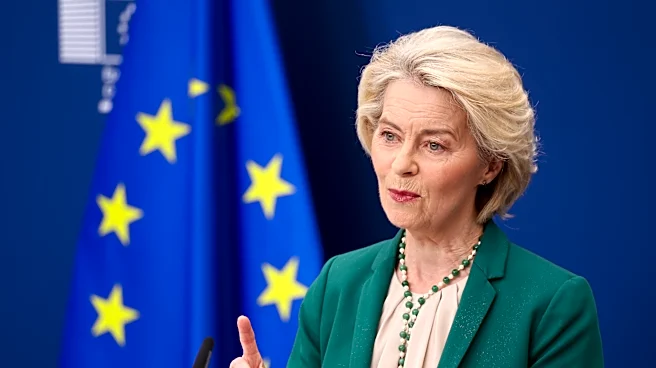
a tariff ceiling of 15% on most goods, including automobiles. Trump claims that the EU has not adhered to the agreement, prompting the tariff hike. The announcement has raised concerns among European automakers and trade officials, who argue that the US should honor its commitments. The European Commission has warned that the US's actions could undermine the objectives of the trade deal and has called for adherence to the agreed terms.
Why It's Important?
The tariff increase could have significant repercussions for the automotive industry, potentially leading to higher vehicle prices and affecting sales. It also highlights ongoing tensions in US-EU trade relations, which could impact broader economic and diplomatic ties. The decision may prompt the EU to consider retaliatory measures, further straining the relationship. Additionally, the move underscores the importance of adhering to international trade agreements to maintain stable economic relationships and avoid disruptions in global markets.
What's Next?
The EU is expected to engage in diplomatic efforts to address the tariff increase and seek a resolution to the trade dispute. This may involve negotiations to ensure compliance with the original trade deal and prevent further escalation. The situation could also lead to legal challenges or retaliatory measures from the EU. In the US, the decision may face scrutiny from industry stakeholders and policymakers concerned about its impact on the economy and international relations. The outcome of these developments will be closely monitored by businesses and governments on both sides of the Atlantic.