





What's Happening?
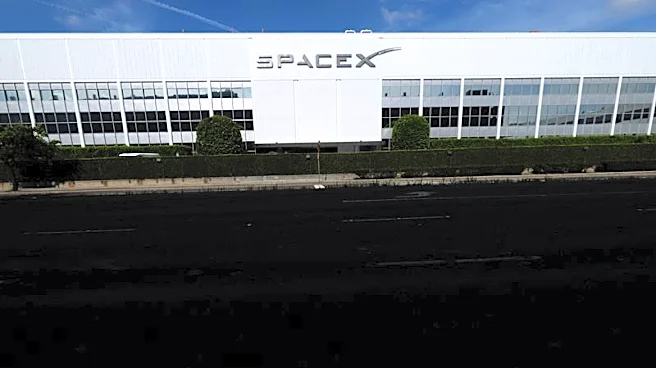
SpaceX, under the leadership of Elon Musk, is preparing to go public with a governance structure that heavily favors Musk's control. The company's S-1 filing reveals a dual-class stock system where Musk holds 12.3% of Class A shares and 93.6% of Class B
shares, giving him 85.1% of the voting power. This structure allows Musk to maintain significant control over the company, as Class B shares carry ten votes each compared to one vote per Class A share. The governance model exempts SpaceX from certain NASDAQ requirements, such as having a majority of independent directors and independent nominating and compensation committees. Additionally, a 'Corporate Opportunities' provision permits Musk to pursue business interests with his other ventures, like Tesla and Neuralink, without legal repercussions for diverting opportunities from SpaceX. This setup raises questions about shareholder influence and accountability, as investors will have limited power to affect company decisions.
Why It's Important?
The governance structure of SpaceX highlights a broader debate in corporate governance about the balance between founder control and shareholder rights. By concentrating power in Musk's hands, SpaceX limits the ability of shareholders to influence corporate decisions, which could deter potential investors concerned about accountability and transparency. This model contrasts with typical public companies that implement checks and balances to protect shareholder interests. The situation underscores the tension between fostering innovation through strong leadership and ensuring corporate accountability. As SpaceX moves towards an IPO, the company's governance approach may set a precedent for other tech firms considering public offerings, potentially influencing how future companies structure their governance to balance control and accountability.
What's Next?
As SpaceX approaches its IPO, potential investors and market analysts will closely scrutinize the company's governance structure. The concentration of power in Musk's hands may lead to increased calls for regulatory scrutiny and potential reforms in corporate governance standards. Shareholders and advocacy groups might push for changes to ensure greater accountability and transparency. Additionally, the success or challenges faced by SpaceX in the public market could influence other tech companies with similar governance models, potentially prompting a reevaluation of dual-class stock structures and their impact on investor confidence.