





What's Happening?
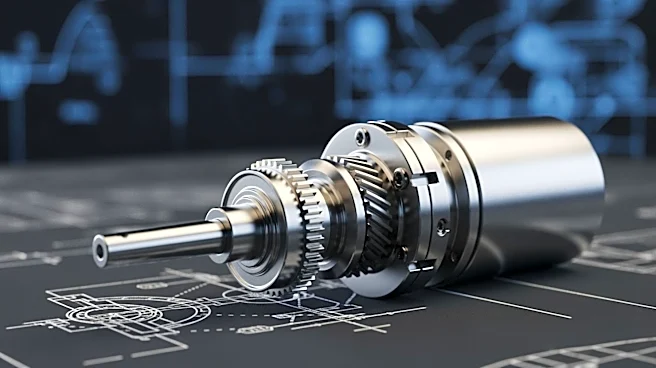
Moog Inc., a company founded in 1950, has significantly expanded its role in space missions, particularly with the Artemis II flight. The company has provided a counterbalance actuator system for the hatch and over 100 different pieces of hardware for the rocket
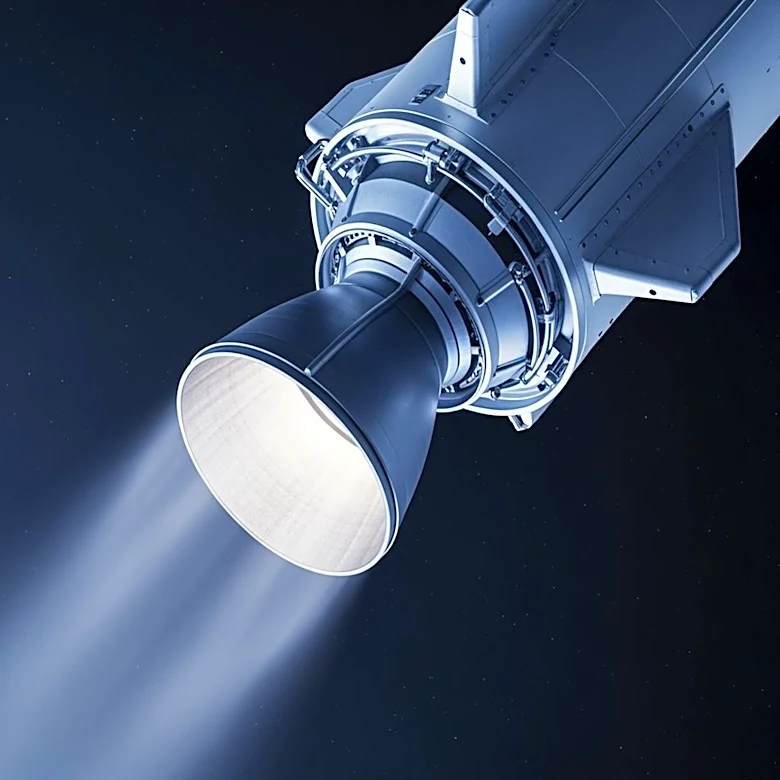
and Orion system. These contributions include thrust vector control systems, actuators for the launch abort system, and propulsion and environmental-control hardware on the Orion spacecraft. Moog has doubled its actuator business in the past five years and is constructing a new facility in New York to further increase production for space missions. The company is also planning to supply a new electromechanical actuation system for the upcoming Artemis III launch.
Why It's Important?
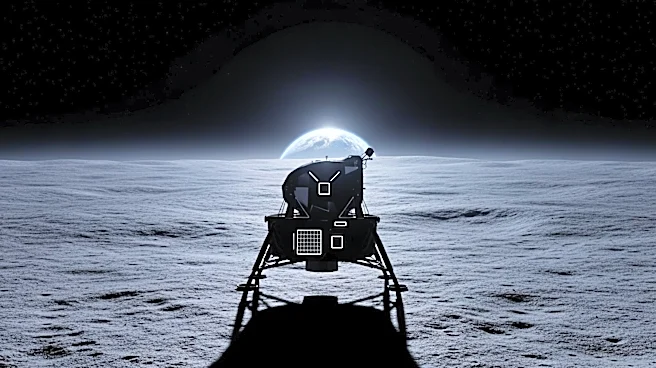
Moog Inc.'s contributions to the Artemis II mission underscore the company's pivotal role in advancing U.S. space exploration capabilities. By providing critical components for the Artemis missions, Moog is helping to ensure the success of NASA's efforts to return humans to the Moon and eventually to Mars. The expansion of Moog's production capabilities in New York is expected to bolster the U.S. space industry's supply chain, potentially leading to more efficient and cost-effective space missions. This development also highlights the growing demand for advanced aerospace technologies and the importance of domestic manufacturing in maintaining the U.S.'s competitive edge in space exploration.
What's Next?
With the completion of the Artemis II mission, Moog Inc. is poised to continue its involvement in future space missions, including Artemis III. The new facility in New York will likely play a crucial role in meeting the increased demand for actuation systems. As NASA and its partners prepare for more complex missions, Moog's technological advancements and production capabilities will be essential in supporting these endeavors. The company's ongoing partnerships with major aerospace firms like Boeing, Northrop Grumman, and Lockheed Martin suggest a sustained role in the U.S. space program.