

What's Happening?
The recent closure of the Strait of Hormuz due to military actions has led to a significant disruption in global oil and fertilizer supplies, highlighting the fragility of current food systems. The price of urea, a key nitrogen fertilizer, surged by 32%
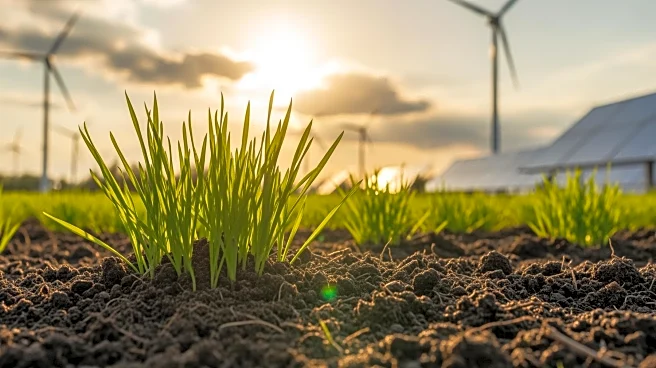
in a week, impacting farmers worldwide. This event is part of a pattern of energy crises affecting food production, as fossil energy is deeply intertwined with agricultural inputs. The article argues for a transition to regenerative agriculture, which emphasizes sustainable practices and reduced dependency on fossil fuels. Regenerative systems, such as food forests and perennial crops, offer resilience against such disruptions by building soil health and reducing the need for synthetic inputs.
Why It's Important?
The reliance on fossil fuels for food production poses a significant risk to global food security, as demonstrated by the recent crisis. The transition to regenerative agriculture could mitigate these risks by creating more resilient food systems that are less dependent on volatile energy markets. This shift could also address public health concerns, as current monoculture practices contribute to diet-related diseases. By adopting regenerative practices, the agricultural sector could reduce its environmental impact and improve food security, particularly in regions vulnerable to supply chain disruptions.
What's Next?
The transition to regenerative agriculture will require significant investment and policy support. Governments and investors may need to redirect subsidies and resources towards sustainable practices and infrastructure. Additionally, there is a need for increased research and development to optimize regenerative systems for different climates and regions. As awareness of the benefits of regenerative agriculture grows, it could lead to widespread adoption and a fundamental shift in how food is produced globally.
Beyond the Headlines
The move towards regenerative agriculture also presents an opportunity for economic transformation, particularly in developing countries. By reducing dependency on imported inputs, these regions could enhance their food sovereignty and resilience. Furthermore, the transition could create new job opportunities in sustainable agriculture and related industries, contributing to rural development and economic diversification.