




What's Happening?
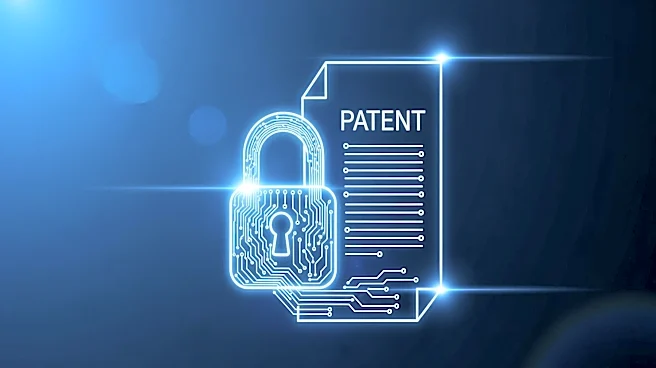
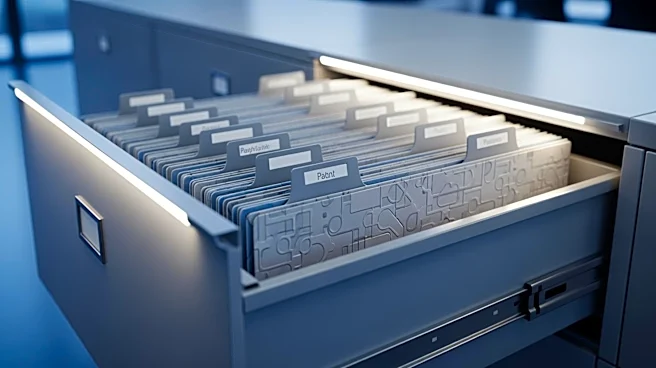
The U.S. Patent and Trademark Office (PTO) has successfully reduced its backlog of unexamined patent applications, marking a significant achievement. For the first time in nearly a decade, the number of first office actions has exceeded the number of new
applications filed within the fiscal year. The PTO's inventory of unexamined applications has decreased to 776,995, the lowest level in two years, down from a high of 837,928 in January 2025. This progress is part of the agency's efforts to streamline the patent examination process and improve efficiency.
Why It's Important?
Reducing the backlog of patent applications is crucial for fostering innovation and supporting businesses that rely on intellectual property protection. A more efficient patent examination process can accelerate the commercialization of new technologies and products, benefiting the U.S. economy. By addressing the backlog, the PTO helps ensure that inventors and companies can secure patents in a timely manner, which is essential for maintaining competitive advantage and encouraging investment in research and development.
What's Next?
The PTO aims to continue its efforts to reduce the backlog further and improve the patent examination process. This includes focusing on eliminating applications that exceed 36 months in the examination queue. The agency's ongoing initiatives may involve adopting new technologies and processes to enhance efficiency and transparency. Stakeholders, including inventors and businesses, are likely to monitor these developments closely, as they impact the speed and reliability of patent protection.
Beyond the Headlines
The reduction in the patent backlog may have broader implications for the U.S. innovation ecosystem. By improving the patent examination process, the PTO can contribute to a more dynamic and competitive environment for startups and established companies alike. This progress may also influence international perceptions of the U.S. as a leader in intellectual property protection, potentially attracting more global innovators to seek patents in the U.S.